Have you ever found yourself completely captivated, utterly spellbound, wondering “how did they *do* that?” That’s the magic, isn’t it? As someone who’s seen countless performances, I can tell you there’s a thrilling evolution happening right before our eyes, blending classic wonder with cutting-edge tech.
We’re talking about more than just card tricks now; think immersive digital illusions and interactive experiences that pull *you* right into the heart of the mystery.
It’s truly a golden age where imagination meets innovation, making entertainment more personal and mind-blowing than ever. Let’s uncover the secrets behind this incredible fusion and explore what’s next.
Have you ever found yourself completely captivated, utterly spellbound, wondering “how did they *do* that?” That’s the magic, isn’t it? As someone who’s seen countless performances, I can tell you there’s a thrilling evolution happening right before our eyes, blending classic wonder with cutting-edge tech.
We’re talking about more than just card tricks now; think immersive digital illusions and interactive experiences that pull *you* right into the heart of the mystery.
It’s truly a golden age where imagination meets innovation, making entertainment more personal and mind-blowing than ever. Let’s uncover the secrets behind this incredible fusion and explore what’s next.
The Unseen Art of Digital Deception
Holographic Wonders and Augmented Realities
It’s fascinating how the very essence of illusion, which has traditionally relied on physical misdirection and clever staging, has now found a powerful new ally in the digital realm.
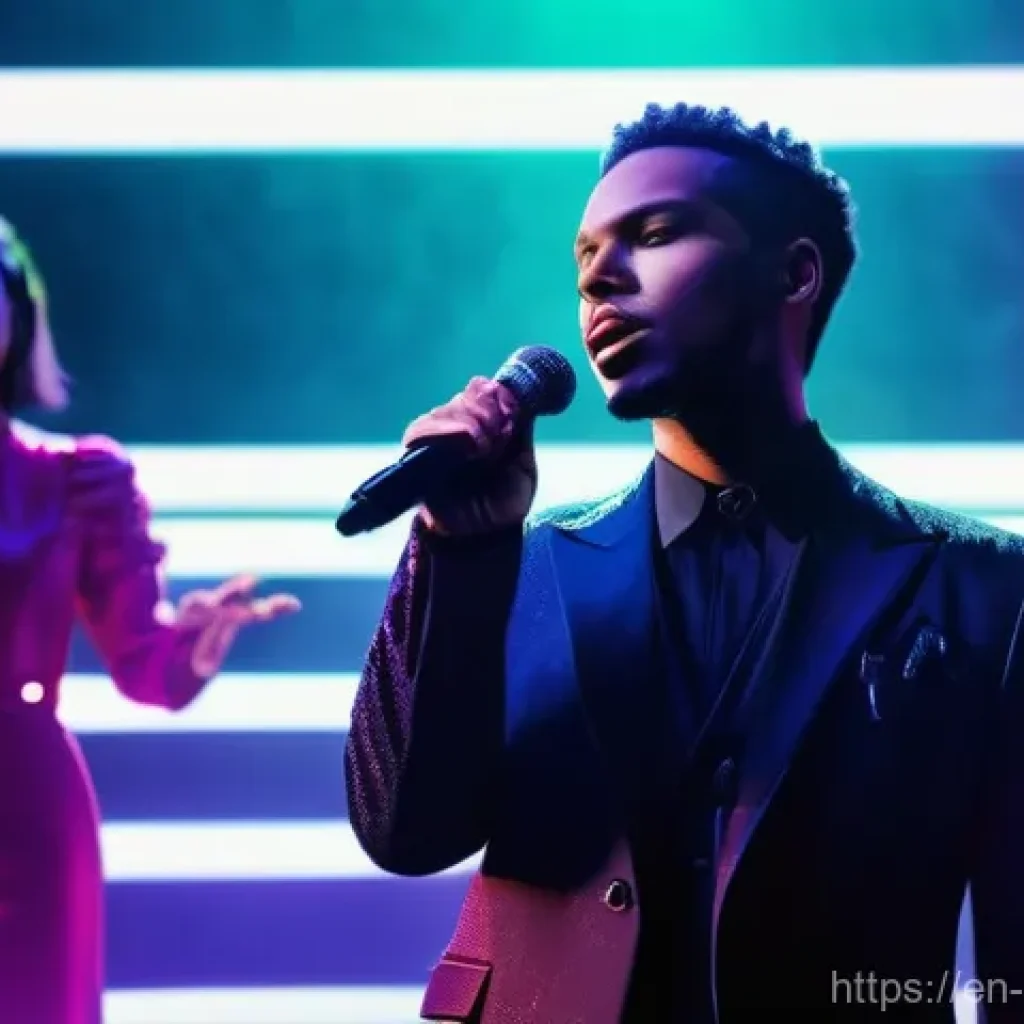
I remember attending a concert where a legendary musician, long passed, appeared on stage, performing alongside his living bandmates. It wasn’t a mere video; the holographic projection had such depth and presence that, for a few breathless moments, I felt a genuine shiver down my spine, convinced I was witnessing something truly impossible.
That’s the power of modern holographic technology, seamlessly blending the digital with our physical perception. It’s not just about creating an image; it’s about constructing an entire experience that fools the eye and the mind.
When augmented reality apps let you see fantastical creatures prancing in your living room, or a stage show uses AR overlays to make objects vanish and reappear, it’s a testament to how far we’ve come.
The old adage that “seeing is believing” is now constantly being challenged, and frankly, I love it.
Classic Principles, Modern Mediums
What’s truly clever about this digital evolution is that it doesn’t discard the time-honored principles of illusion; it enhances them. The core ideas of misdirection, surprise, and anticipation are still the bedrock.
Now, instead of a magician palming a card, an elaborate algorithm might be calculating the perfect moment for a digital element to appear or vanish, guiding our attention with subtle cues that our brains barely register.
I’ve often thought about how a classic “vanishing act” might be reinterpreted using projection mapping onto a performer, making them seem to dissolve into thin air.
The sense of wonder, that delightful confusion, remains the same. It’s just that the tools have become infinitely more sophisticated, allowing creators to push the boundaries of what’s physically possible.
For me, seeing a magician seamlessly integrate a smart device into a seemingly simple card trick, where the “chosen card” magically appears on a spectator’s phone screen, truly brings home how these ancient arts are finding new life.
It’s a thrill to watch these artists leverage tech to amplify the feeling of impossibility.
Stepping Into the Story: Immersive Entertainment’s New Era
The Rise of Interactive Experiences
Gone are the days when entertainment was a purely passive affair, where we sat in our seats and merely observed. Nowadays, the most captivating experiences are those that invite us, even demand us, to become part of the narrative.
I’ve found myself completely lost inside elaborate immersive theater productions where I followed individual characters through a sprawling, multi-level set, choosing my own path and piecing together fragments of a story.
It wasn’t just a play; it was a living, breathing world that reacted to my presence. This shift towards interactivity is redefining what it means to be entertained, pulling us from the role of a detached observer into that of an active participant.
These experiences tap into our innate desire to explore, to make choices, and to feel truly engaged, not just entertained. It’s a wonderful departure from traditional formats, and honestly, once you’ve been truly immersed, it’s hard to go back.
From Passive Viewer to Active Participant
The magic of these new formats lies in their ability to blur the lines between reality and fiction, making us feel genuinely invested. Think about how many escape rooms have popped up, each using clever puzzles and themed environments to transport you into a different world.
Now, imagine those concepts elevated with advanced sensors, dynamic lighting, and even personalized audio cues that respond specifically to your actions.
I recently visited an exhibition that used haptic feedback in the floor and walls, coupled with directional sound, to make it feel like I was truly navigating a stormy sea.
Every creak of the ship, every splash, felt incredibly real, all triggered by my movements. It transforms the experience from something you merely watch into something you actively *do* and *feel*.
This level of engagement creates a much deeper emotional connection, leaving a lasting impression that a static performance simply can’t match. It’s not just about seeing the show; it’s about *being* the show.
Where Digital Magic Meets the Real World
Projection Mapping’s Grand Spectacles
There’s something truly awe-inspiring about seeing an entire building facade transform before your eyes, its static architecture becoming a canvas for a dynamic, moving story.
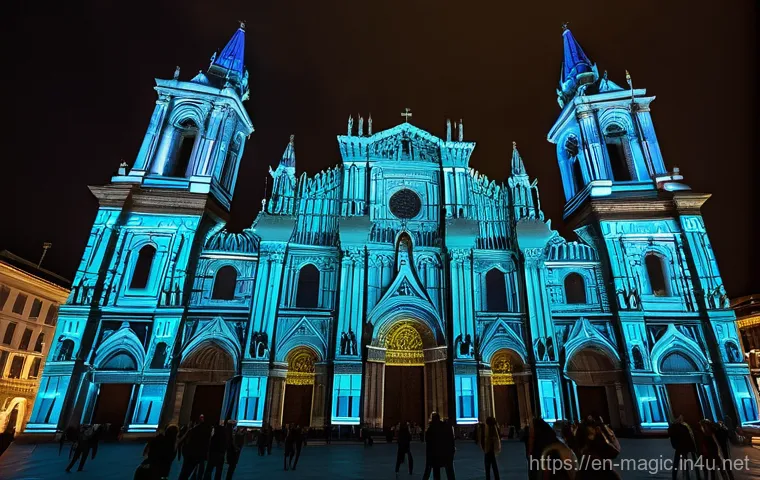
Projection mapping has always struck me as the ultimate form of digital magic, breathing life into inanimate objects and creating illusions of impossible depth and movement.
I recall standing in front of a historic cathedral as it was bathed in light, turning its ancient stones into a swirling, living tapestry of colors, patterns, and historical scenes.
It felt like the building itself was telling a story, shedding centuries of silence to reveal its secrets in a breathtaking display. These grand spectacles are more than just light shows; they are meticulously crafted narratives that use geometry and advanced software to create jaw-dropping, large-scale illusions.
It’s a public art form that truly stops you in your tracks and reminds you of the boundless potential when art and technology collide.
Beyond Screens: Tactile Digital Integration
While projection mapping dazzles our eyes, the true frontier of digital-physical integration is often found in more subtle, tactile ways. Imagine walking into a themed attraction where the very air around you changes temperature, a mist rolls in, and the ground beneath your feet vibrates in sync with the dramatic music.
This isn’t just clever set design; it’s the result of highly sophisticated sensor fusion and environmental controls. I’ve experienced rides where the seats themselves moved and provided haptic feedback that perfectly synchronized with the on-screen action, making me feel every bump, every drop, and every acceleration as if I were actually there.
It creates a powerful sense of presence that goes far beyond what a screen alone can offer. It’s about engaging *all* our senses, creating a fully integrated reality that blurs the lines between what’s physically present and what’s digitally simulated.
This seamless blend is what truly elevates an experience from memorable to utterly unforgettable.
Audience as Participant: The Interactive Revolution
Personalizing the Spectacle
One of the most exciting developments I’ve seen in entertainment is the move towards truly personalized experiences. It’s no longer just about a show being generally good; it’s about making *you*, the individual, feel like the most important part of it.
I remember attending a large-scale event where, upon entry, we were given wristbands that glowed and changed color based on our collective excitement levels, as measured by embedded sensors.
Later in the show, these wristbands became an active part of the performance, lighting up in specific patterns to create a dazzling, audience-wide display.
This didn’t just feel cool; it felt like we were all connected, contributing to the magic in a tangible way. Imagine shows that adapt their narratives based on real-time audience voting via a smartphone app, or even subtle biometric feedback.
It shifts the dynamic entirely, making each performance unique and tailored, which, let’s be honest, makes us feel incredibly special and engaged.
Gamification in Live Entertainment
The concept of gamification, taking elements from games and applying them to other contexts, has found a brilliant home in live entertainment. It transforms a passive viewing experience into an active challenge, a quest, or a competition.
I’ve participated in a number of “puzzle experiences” that were essentially large-scale games played out in a physical space, using digital clues, augmented reality elements, and even performer interactions to guide us through a compelling storyline.
We weren’t just watching a story unfold; we were living it, solving mysteries, and making decisions that genuinely impacted our progress. This not only enhances engagement but also creates a sense of achievement and camaraderie among participants.
It’s a fantastic way to encourage active participation and critical thinking, turning a night out into an adventure. The thrill of solving a complex riddle, perhaps with a digital hint appearing on a hidden screen, is something that stays with you long after the event ends.
Crafting the Unbelievable: The Tech Behind the Spectacle
AI and Machine Learning in Creative Arts
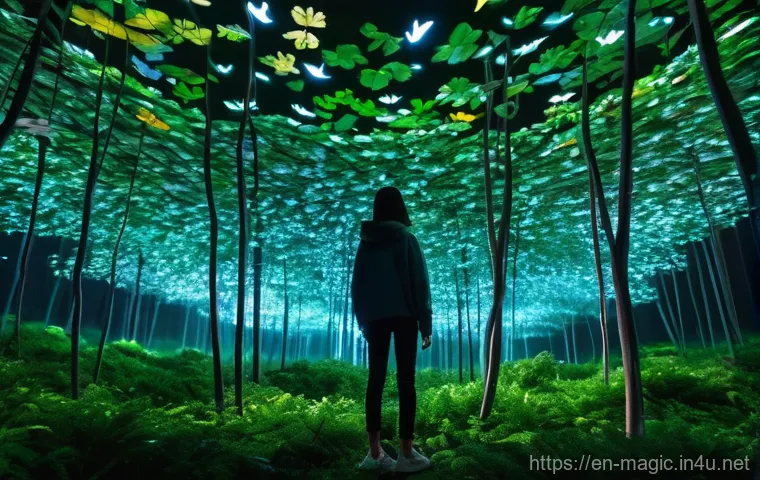
Delving into the “how” behind these incredible spectacles often leads us to the cutting edge of artificial intelligence and machine learning. These aren’t just buzzwords; they’re becoming integral tools for artists and designers looking to push boundaries.
Imagine an AI that can analyze audience reactions in real-time, subtly adjusting lighting, music cues, or even character dialogue to maximize emotional impact.
I’ve had conversations with production designers who are experimenting with AI-driven generative art, where algorithms create dynamic visual backdrops that are ever-changing and unique for each performance.
It’s not about replacing human creativity but augmenting it, giving artists new palettes and tools to create truly adaptive and responsive environments.
The beauty is that these systems can handle immense complexity, allowing for nuanced shifts that would be impossible for a human operator to manage in the blink of an eye.
It’s about creating an experience that feels alive and responsive, and AI is increasingly the silent partner making that happen.
Sensor Fusion and Real-time Rendering
The seamless integration we often marvel at is largely thanks to sophisticated sensor fusion and real-time rendering engines. Think about how a performer’s movements can instantly trigger complex visual effects that swirl around them, or how a digital character can interact flawlessly with a physical set.
This isn’t pre-rendered; it’s happening in milliseconds. Sensor fusion combines data from multiple sources – motion capture suits, infrared cameras, depth sensors, even biometric feedback – to create a comprehensive understanding of what’s happening in the physical space.
This data is then fed into powerful real-time rendering engines that generate graphics and effects instantly, without any perceptible lag. My friend, who works on large-scale interactive installations, once explained the sheer computational power required to track dozens of people in a space while simultaneously projecting dynamic, reactive visuals onto surfaces.
It’s an incredible feat of engineering, making the impossible seem effortless. It’s truly a testament to how far these technologies have evolved.
| Technology | Application in Entertainment | Impact on Audience |
|---|---|---|
| Augmented Reality (AR) | Overlaying digital elements onto physical environments (e.g., interactive art, virtual characters on stage). | Enhanced engagement, feeling of impossible events in real-time. |
| Projection Mapping | Transforming surfaces into dynamic screens, creating illusions of movement and depth. | Visual spectacles, immersive storytelling on a grand scale. |
| Haptic Feedback Systems | Simulating touch and sensation through vibrations, force, or movement. | Deeper immersion, multi-sensory experiences, heightened realism. |
| Real-time Rendering Engines | Generating graphics and visual effects instantly, responsive to live input. | Seamless interactive visuals, adaptive environments, no lag. |
| AI & Machine Learning | Personalized experiences, adaptive storytelling, generative art, audience analysis. | Unique, responsive, and deeply personalized shows. |
Monetizing Modern Marvels: More Than Just Ticket Sales
Expanding Revenue Streams in a Digital Age
For creators and producers, the fusion of magic and technology isn’t just about creating groundbreaking art; it’s also about unlocking new and exciting avenues for revenue.
While ticket sales remain crucial, these digitally enhanced experiences naturally lend themselves to a whole host of additional monetization strategies.
Think about exclusive digital content that complements an immersive show, accessible only to attendees or premium ticket holders – perhaps behind-the-scenes AR experiences or digital souvenirs.
I’ve noticed how often I’m willing to pay a little extra for a “VIP interactive pass” that promises a more personalized engagement within an event. These are experiences that inherently generate buzz, making people want to talk about them, share them, and crucially, pay for more than just the base entry.
It’s a smart shift from a one-off transaction to creating a multi-faceted revenue ecosystem around a captivating core experience.
Experiences That Drive Merchandise and Brand Loyalty
Beyond the immediate sales, the truly immersive and unforgettable nature of these tech-infused spectacles creates something even more valuable: deep brand loyalty and a powerful driver for merchandise.
When you’ve been genuinely moved or astonished by an experience, you want to remember it, and you want to share that feeling. This translates directly into a desire for unique, experience-specific merchandise that goes beyond a generic t-shirt.
I’ve personally bought limited-edition prints from immersive art shows, or even functional items that incorporate elements of the story I just experienced.
Moreover, the sheer novelty and shareability of these events generate massive social media engagement, which is invaluable for organic marketing and building a passionate community.
People aren’t just fans of a show; they become advocates for the entire experience, eagerly awaiting the next big thing from the creators. It’s a beautiful cycle where innovation fosters engagement, which in turn fuels commercial success.
The Human Touch: Why Authenticity Still Reigns
The Irreplaceable Element of Storytelling
For all the dazzling technology and ingenious algorithms, at the heart of every truly great magical or immersive experience lies a compelling story. Technology is a magnificent amplifier, but it’s the narrative, the emotional arc, the characters, and the sense of wonder that truly resonate with us on a fundamental level.
I’ve seen incredibly sophisticated technical displays that, despite their brilliance, left me feeling a bit cold because there wasn’t a strong human connection or a clear story to anchor the spectacle.
Conversely, a simpler performance with a powerful narrative can be absolutely captivating. It’s about tapping into universal human emotions – joy, fear, awe, curiosity.
As much as I adore cutting-edge tech, I’ve learned that the true “magic” often comes from the storyteller’s ability to evoke those feelings within us, creating a shared experience that transcends mere visuals and sounds.
The tech is the vehicle, but the story is the destination, and it’s irreplaceable.
Balancing Tech with Emotional Resonance
Ultimately, the goal isn’t to replace human artistry with machines, but to create a symbiotic relationship where technology empowers human creativity to reach new heights.
The most impactful experiences I’ve witnessed strike a delicate balance: they leverage advanced tech to create breathtaking illusions, but they never lose sight of the emotional core.
It’s about using holograms to tell a ghost story that genuinely makes you reflect on loss, or using haptic feedback to make you feel the urgency of a character’s journey.
When technology is wielded with intention, serving the emotional depth of the performance rather than overshadowing it, that’s where true magic happens.
I remember a show where a seemingly simple interactive element, like being asked to write a wish on a digital screen, created an unexpectedly profound moment of connection with strangers.
It wasn’t the tech itself that was moving, but what it allowed us to express and share. This balance ensures that even as entertainment evolves, it remains deeply human at its heart.
Wrapping Things Up
Well, folks, what a journey we’ve taken through the captivating world where ancient wonder meets cutting-edge innovation! As someone who lives and breathes this stuff, I genuinely believe we’re on the cusp of an incredible new era for entertainment.
It’s not just about what we see or hear anymore; it’s about what we *feel*, what we *experience*, and how deeply we can connect with a story. This blend of the impossible with the personal is truly reshaping our expectations, making us all active participants in a grand, unfolding spectacle.
I can’t wait to see what breathtaking wonders creators cook up next, pushing the boundaries of imagination with every new technological leap, all while keeping that vital human touch at the very core.
Useful Insights for the Curious Explorer
1. Seek Out Local Immersive Venues: Don’t just wait for a massive touring show! Many cities, especially creative hubs like London, New York, or even smaller, vibrant communities, now boast permanent or pop-up immersive art installations and experience spaces. A quick search for “immersive art exhibits [your city]” or “interactive theater [your city]” on Google Maps or local event listings often uncovers hidden gems. I’ve found some of my favorite mind-bending experiences just by looking a little deeper into what local artists and innovators are doing – you might be surprised by the sheer creativity right on your doorstep.
2. Engage Fully and Let Go: The best immersive experiences are those where you surrender to the moment. Put your phone away (unless it’s an integral part of the experience, of course!), talk to characters if allowed, explore every nook and cranny, and let your curiosity guide you. I’ve often found that the more I allowed myself to become a part of the narrative, the richer and more personal the memory became. Don’t be afraid to interact, ask questions, or even just observe from a different perspective; sometimes the magic happens in the unexpected detours.
3. Consider Your Investment Wisely: While some cutting-edge experiences can come with a premium price tag, remember that the value often lies in the unique, unrepeatable memory they create. Before booking, check for early bird specials, off-peak times, or even group discounts. Sometimes, a slightly higher price for a truly groundbreaking interactive show is worth it compared to multiple conventional entertainment options. I always weigh the potential for a truly unforgettable story against the cost; often, the deeper engagement is well worth the splurge.
4. Leverage Social Media (Responsibly!): Social platforms are fantastic for discovering new immersive events and seeing glimpses of what to expect, but try not to spoil the experience for yourself or others. Follow accounts dedicated to immersive arts and technology, and use platforms like Instagram or TikTok to share your *own* (spoiler-free!) highlights. Your personal stories and reactions are invaluable for inspiring others to seek out these unique adventures, and it’s a great way to connect with fellow enthusiasts who appreciate this kind of creative innovation.
5. Look for Cross-Disciplinary Collaborations: The most exciting advancements often happen at the intersection of different fields. Keep an eye out for collaborations between tech companies and theater groups, artists and engineers, or even chefs and digital designers. These unexpected partnerships frequently lead to the most boundary-pushing and genuinely original experiences. I’ve noticed that when diverse minds come together, they create something far greater than the sum of their parts, pushing the envelope of what we thought was possible in entertainment.
Key Takeaways from the Evolving World of Entertainment
The landscape of entertainment is undergoing a breathtaking transformation, propelled by the seamless integration of age-old magic principles with cutting-edge technology. We’ve moved beyond passive viewing, stepping into an era where audiences are active participants in immersive, personalized experiences. Holographic wonders, augmented reality, and projection mapping are no longer science fiction but tools that craft grand spectacles and intimate deceptions, challenging our perceptions of reality. Furthermore, AI and sensor fusion are the silent architects behind responsive, dynamic environments, making every interaction uniquely tailored. What truly makes these marvels unforgettable, however, is the unwavering focus on human connection and powerful storytelling. The tech amplifies, but the narrative and emotional resonance are what truly captivate, creating memories that linger long after the curtains fall. For creators, this evolution also opens exciting new avenues for monetization, from exclusive digital content to merchandise fueled by deep brand loyalty. It’s a dynamic, thrilling time where innovation and human artistry converge to redefine the very essence of wonder.
Frequently Asked Questions (FAQ) 📖
Q: What exactly are these “cutting-edge technologies” doing to transform classic entertainment like magic or live shows?
A: Oh, this is where it gets absolutely electrifying! From what I’ve personally witnessed and obsessed over, it’s a wild mix of innovations. We’re seeing Augmented Reality (AR) bringing digital elements right into our physical space, like holograms dancing on stage alongside a performer or interactive visual effects that react to the music around you.
It’s not just a screen anymore; the whole environment becomes part of the illusion! Then there’s Virtual Reality (VR), which, trust me, isn’t just for gaming anymore.
Imagine slipping on a headset and being instantly transported to a virtual concert where you’re right next to your favorite artist, or inside a magician’s mind-bending set, experiencing every detail in 360 degrees.
It feels incredibly real, almost like you could reach out and touch it. And let’s not forget AI (Artificial Intelligence), which is quietly revolutionizing everything from predicting audience preferences to even assisting magicians with mind-reading tricks by analyzing subtle cues.
Plus, we’re seeing drones become integral parts of aerial light shows, creating stunning spectacles in the sky. It’s like the old-school wonder got a turbo boost from the future!
Q: How does this blend of tech and wonder make the experience more personal and immersive for us, the audience?
A: That’s truly the golden question, isn’t it? What really excites me about this evolution is how deeply personal and immersive it’s becoming. Gone are the days of being a passive observer in the back row.
With AR and VR, we’re not just watching a show; we’re often in it. Think about virtual concerts where you can choose your own viewing angle, interact with other fans as avatars, or even “meet” virtual versions of artists – it creates a sense of connection that transcends physical venues.
For magic, it means illusions can be tailored right to you. Imagine a digital trick unfolding on your smartphone screen that seems to interact with your surroundings, or a grand stage show where projection mapping makes the scenery warp and change around the performers, making you feel like you’re part of the fantastical world they’ve created.
I’ve been to events where my phone became a portal to hidden elements of the performance, making me feel like I had a secret window into the magic. It’s about breaking down the wall between performer and spectator, letting us step directly into the mystery.
Q: Where can we expect to see this thrilling evolution heading next? What’s the future looking like?
A: Oh, if I had a crystal ball for this, I’d be ecstatic! But based on what I’m seeing and hearing, the future of this tech-infused wonder is going to be even more mind-blowing.
I predict we’ll see a seamless integration of Mixed Reality (MR), blurring the lines between the digital and physical even further, making it hard to tell what’s real and what’s an illusion.
Think of wearing a lightweight pair of smart glasses that overlay breathtaking effects onto a live stage without any bulky equipment. I also believe AI-powered personalization will become incredibly sophisticated, meaning shows could adapt in real-time to an individual audience member’s reactions or preferences, creating truly unique experiences for everyone.
And what about haptic feedback? Imagine feeling the vibrations of a virtual orchestra or the subtle touch of a digital illusion. This isn’t just about seeing and hearing anymore; it’s about feeling.
Accessibility will also be a huge focus, bringing these incredible experiences to people worldwide, regardless of their physical location or abilities.
It’s all pointing towards a future where entertainment isn’t just consumed, but lived – and I, for one, can’t wait to see it unfold!