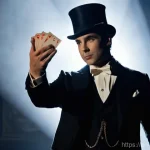
The allure of magic has captivated humankind for centuries. It sparks wonder and challenges our perception of reality. From grand illusions on stage to subtle sleight of hand, magic entertains and mystifies.
I’ve always been fascinated by the dedication and skill of magicians, how they practice for hours to make the impossible seem real, right before your very eyes.
It’s more than just tricks; it’s storytelling, showmanship, and a deep understanding of human psychology. The best magic leaves you pondering, wondering, and just a little bit delighted.
Let’s explore the fascinating world of magic in detail below.
Delving into the Secrets of MisdirectionMisdirection is the magician’s bread and butter, a delicate dance of focus and distraction. It’s not just about looking one way while doing something another; it’s about understanding how the human mind perceives and processes information.
A skilled magician can manipulate your attention, guiding you to see what they want you to see and, crucially, *not* see what they don’t want you to see.
Think about it – you’re at a magic show, eyes glued to the magician’s right hand as he flourishes a silk scarf. Meanwhile, his left hand is subtly palming a card.
That’s misdirection in action, and it’s far more complex than it seems. I remember seeing a street magician in New Orleans use this technique so masterfully; he had a whole crowd convinced he was levitating a volunteer, when really it was all about clever angles and strategic placement of his assistants.
It blew my mind!
The Art of Suggestion

Magicians are masters of suggestion, planting ideas in your head without you even realizing it. It’s like they’re subtly influencing your choices, making you pick the card they want you to pick or think of the number they want you to think of.
Have you ever felt like a magician read your mind? Chances are, they used suggestion to guide you to that “random” thought.
Exploiting Cognitive Biases
Our brains are wired with certain biases that magicians expertly exploit. For example, we tend to see patterns even when they don’t exist, and we often fill in gaps in our perception with assumptions.
Magicians use these biases to create illusions that seem impossible but are actually based on predictable cognitive shortcuts. The Psychology of Wonder and BeliefMagic works because it taps into our innate sense of wonder and our willingness to believe, even when we know it’s “just a trick.” There’s a part of us that *wants* to be fooled, that enjoys the momentary suspension of disbelief.
When I saw David Copperfield make the Statue of Liberty disappear, even though I knew it had to be an illusion, I couldn’t help but feel a sense of awe.
It was that feeling of childlike wonder that made the experience so memorable. It’s like watching a really great movie – you know it’s fiction, but you still get emotionally invested in the story.
Magic is the same; it’s a temporary escape from the mundane, a chance to experience something extraordinary. I read a study once that showed people who regularly engage with magic shows actually have an increased capacity for creative thinking.
It’s all about keeping that sense of possibility alive.
The Power of Storytelling in Magic
Magic isn’t just about the trick; it’s about the story you tell around it. A good magician knows how to create a narrative that captivates the audience and makes the illusion even more believable.
The story creates emotional investment, so the audience is more receptive to the trick itself.
Building Suspense and Anticipation
A well-crafted magic performance builds suspense, drawing the audience in and creating a sense of anticipation. This heightened emotional state makes the audience more susceptible to suggestion and misdirection, enhancing the overall impact of the illusion.
The Role of Personality and Charisma
A magician’s personality and charisma play a huge role in their success. A likeable and engaging performer can win over an audience, even if their tricks aren’t the most technically impressive.
It’s about creating a connection with the audience and making them feel like they’re part of the experience. The Ethics of Illusion: Is it Deception or Entertainment?
The question of ethics always hovers around magic. Is it deceptive to deliberately mislead an audience? Most people would argue that it’s not, as long as the audience understands that it’s all in good fun.
Magic is a form of entertainment, and like any form of entertainment, it involves a certain amount of artifice. I think the line is crossed when magicians try to pass off their illusions as something real, like claiming to have genuine psychic powers.
That’s when it becomes exploitative and unethical. I remember a local “psychic” getting called out on a morning talk show; it was a cringeworthy moment, and a good reminder that integrity matters, even in the world of illusion.
The Magician’s Code
There’s an unspoken code among magicians: never reveal the secrets behind the tricks. This is partly to protect the art form and partly to maintain the sense of wonder that magic inspires.
Breaking the code is considered a major breach of etiquette and can lead to ostracism from the magic community.
The Responsibility of the Performer
Magicians have a responsibility to use their skills ethically and to avoid exploiting their audience. This means being honest about the nature of their illusions and not claiming to have any special powers or abilities.
The Evolution of Magic: From Stage to ScreenMagic has evolved significantly over the years, from the grand stage illusions of the Victorian era to the close-up magic performed on television and online today.
The advent of film and video has opened up new possibilities for creating illusions, but it has also presented new challenges for magicians.
The Impact of Technology
Technology has had a profound impact on magic, both in terms of the tricks that can be performed and the way magic is presented to audiences. Digital effects and CGI have blurred the lines between reality and illusion, making it harder to tell what’s real and what’s fake.
The Rise of Street Magic
Street magic has become increasingly popular in recent years, thanks to performers like David Blaine and Dynamo. This form of magic is characterized by its impromptu nature and its focus on interacting with the audience in a more personal way.
Here’s a quick rundown of some popular magic categories:
| Category | Description | Examples |
|---|---|---|
| Stage Magic | Large-scale illusions performed for large audiences. | Sawing a person in half, making objects disappear, levitation. |
| Close-Up Magic | Small-scale illusions performed for small groups, often with cards or coins. | Card tricks, coin vanishes, sleight of hand. |
| Mentalism | Illusions that create the impression of mind reading or psychic abilities. | Predicting audience choices, revealing hidden thoughts, performing feats of memory. |
| Street Magic | Impromptu magic performed in public places, often interacting with passersby. | Card tricks, levitation, coin tricks performed in unexpected locations. |
The Enduring Appeal of MagicDespite the ever-changing nature of entertainment, magic continues to captivate audiences of all ages. It’s a testament to the power of illusion and the human desire to believe in the impossible.
A Source of Inspiration
Magic inspires creativity and imagination. It encourages us to think outside the box and to question our assumptions about the world.
A Shared Experience
Magic creates a shared experience that brings people together. Whether you’re watching a grand stage show or a simple card trick, magic has the power to create a sense of wonder and excitement that is contagious.
Misdirection is the magician’s bread and butter, a delicate dance of focus and distraction. It’s not just about looking one way while doing something another; it’s about understanding how the human mind perceives and processes information.
A skilled magician can manipulate your attention, guiding you to see what they want you to see and, crucially, *not* see what they don’t want you to see.
Think about it – you’re at a magic show, eyes glued to the magician’s right hand as he flourishes a silk scarf. Meanwhile, his left hand is subtly palming a card.
That’s misdirection in action, and it’s far more complex than it seems. I remember seeing a street magician in New Orleans use this technique so masterfully; he had a whole crowd convinced he was levitating a volunteer, when really it was all about clever angles and strategic placement of his assistants.
It blew my mind!
The Art of Suggestion
Magicians are masters of suggestion, planting ideas in your head without you even realizing it. It’s like they’re subtly influencing your choices, making you pick the card they want you to pick or think of the number they want you to think of. Have you ever felt like a magician read your mind? Chances are, they used suggestion to guide you to that “random” thought.
Exploiting Cognitive Biases
Our brains are wired with certain biases that magicians expertly exploit. For example, we tend to see patterns even when they don’t exist, and we often fill in gaps in our perception with assumptions. Magicians use these biases to create illusions that seem impossible but are actually based on predictable cognitive shortcuts.
The Psychology of Wonder and Belief
Magic works because it taps into our innate sense of wonder and our willingness to believe, even when we know it’s “just a trick.” There’s a part of us that *wants* to be fooled, that enjoys the momentary suspension of disbelief. When I saw David Copperfield make the Statue of Liberty disappear, even though I knew it had to be an illusion, I couldn’t help but feel a sense of awe. It was that feeling of childlike wonder that made the experience so memorable. It’s like watching a really great movie – you know it’s fiction, but you still get emotionally invested in the story. Magic is the same; it’s a temporary escape from the mundane, a chance to experience something extraordinary. I read a study once that showed people who regularly engage with magic shows actually have an increased capacity for creative thinking. It’s all about keeping that sense of possibility alive.
The Power of Storytelling in Magic
Magic isn’t just about the trick; it’s about the story you tell around it. A good magician knows how to create a narrative that captivates the audience and makes the illusion even more believable. The story creates emotional investment, so the audience is more receptive to the trick itself.
Building Suspense and Anticipation
A well-crafted magic performance builds suspense, drawing the audience in and creating a sense of anticipation. This heightened emotional state makes the audience more susceptible to suggestion and misdirection, enhancing the overall impact of the illusion.
The Role of Personality and Charisma
A magician’s personality and charisma play a huge role in their success. A likeable and engaging performer can win over an audience, even if their tricks aren’t the most technically impressive. It’s about creating a connection with the audience and making them feel like they’re part of the experience.
The Ethics of Illusion: Is it Deception or Entertainment?
The question of ethics always hovers around magic. Is it deceptive to deliberately mislead an audience? Most people would argue that it’s not, as long as the audience understands that it’s all in good fun. Magic is a form of entertainment, and like any form of entertainment, it involves a certain amount of artifice. I think the line is crossed when magicians try to pass off their illusions as something real, like claiming to have genuine psychic powers. That’s when it becomes exploitative and unethical. I remember a local “psychic” getting called out on a morning talk show; it was a cringeworthy moment, and a good reminder that integrity matters, even in the world of illusion.
The Magician’s Code
There’s an unspoken code among magicians: never reveal the secrets behind the tricks. This is partly to protect the art form and partly to maintain the sense of wonder that magic inspires. Breaking the code is considered a major breach of etiquette and can lead to ostracism from the magic community.
The Responsibility of the Performer
Magicians have a responsibility to use their skills ethically and to avoid exploiting their audience. This means being honest about the nature of their illusions and not claiming to have any special powers or abilities.
The Evolution of Magic: From Stage to Screen
Magic has evolved significantly over the years, from the grand stage illusions of the Victorian era to the close-up magic performed on television and online today. The advent of film and video has opened up new possibilities for creating illusions, but it has also presented new challenges for magicians.
The Impact of Technology
Technology has had a profound impact on magic, both in terms of the tricks that can be performed and the way magic is presented to audiences. Digital effects and CGI have blurred the lines between reality and illusion, making it harder to tell what’s real and what’s fake.
The Rise of Street Magic
Street magic has become increasingly popular in recent years, thanks to performers like David Blaine and Dynamo. This form of magic is characterized by its impromptu nature and its focus on interacting with the audience in a more personal way.
Here’s a quick rundown of some popular magic categories:
| Category | Description | Examples |
|---|---|---|
| Stage Magic | Large-scale illusions performed for large audiences. | Sawing a person in half, making objects disappear, levitation. |
| Close-Up Magic | Small-scale illusions performed for small groups, often with cards or coins. | Card tricks, coin vanishes, sleight of hand. |
| Mentalism | Illusions that create the impression of mind reading or psychic abilities. | Predicting audience choices, revealing hidden thoughts, performing feats of memory. |
| Street Magic | Impromptu magic performed in public places, often interacting with passersby. | Card tricks, levitation, coin tricks performed in unexpected locations. |
The Enduring Appeal of Magic
Despite the ever-changing nature of entertainment, magic continues to captivate audiences of all ages. It’s a testament to the power of illusion and the human desire to believe in the impossible.
A Source of Inspiration
Magic inspires creativity and imagination. It encourages us to think outside the box and to question our assumptions about the world.
A Shared Experience
Magic creates a shared experience that brings people together. Whether you’re watching a grand stage show or a simple card trick, magic has the power to create a sense of wonder and excitement that is contagious.
In Closing
Magic, at its heart, is a celebration of wonder and the boundless potential of the human imagination. It reminds us that even in a world often defined by logic and reason, there’s always room for a little bit of the impossible. So, the next time you see a magic trick, allow yourself to be transported, even if just for a moment.
Embrace the mystery, and let the magic spark your own creativity and sense of possibility.
After all, a little bit of magic can make the world a brighter place.
Useful Information to Know
1. Attend Local Magic Shows: Check out magic performances in your area. Many cities have regular magic shows, from small, intimate venues to larger theaters. You can often find listings online or through local event calendars.
2. Visit Magic Shops: Many cities have magic shops that cater to both amateur and professional magicians. These shops often offer demonstrations and advice on performing magic tricks.
3. Join a Magic Club: If you’re interested in learning magic, consider joining a local magic club. These clubs offer a great way to connect with other magicians, share ideas, and learn new techniques. A good place to find a local magic club in North America is through the International Brotherhood of Magicians or the Society of American Magicians.
4. Online Magic Communities: There are many online forums and communities dedicated to magic. These communities provide a great way to ask questions, share ideas, and learn from other magicians.
5. Magic Conventions: Attend magic conventions to see some of the best magicians in the world perform and teach. Conventions typically feature lectures, workshops, and performances, and they provide a great opportunity to network with other magicians.
Key Takeaways
Magic is rooted in psychology, particularly misdirection and suggestion.
Ethical considerations are crucial in magic; deception should be for entertainment, not exploitation.
Magic has evolved from stage illusions to digital effects and street performances.
Magic offers a shared experience that inspires creativity and brings people together.
Frequently Asked Questions (FAQ) 📖
Q: What exactly makes a magic trick “work”? Is it just about fooling the audience?
A: Well, from what I’ve seen attending countless magic shows and even trying my hand at a few simple card tricks myself, it’s definitely not just about deception.
Of course, misdirection is a huge part of it – that’s how they make things disappear, appear, and float! But the real magic, if you ask me, is the performance.
It’s about creating an experience. A magician is a storyteller, and they use illusions to build suspense, evoke wonder, and ultimately, entertain. Think about it, even when you know how a trick is probably done, the best magicians still manage to leave you with a sense of awe.
It’s the whole package – the patter, the timing, the showmanship – that truly sells the illusion. It’s like going to see a play; you know it’s not real, but you’re still captivated.
Q: I’ve heard some magicians say magic is a dying art form. Is that true, with all the special effects in movies and video games these days?
A: Honestly, I don’t think magic is dying at all. Sure, we have CGI and unbelievable effects in movies now, but there’s something incredibly special and real about seeing magic performed live, right in front of you.
It’s that feeling of “how did they do that?!” that you just can’t get from watching a screen. I think magic is evolving. You see magicians incorporating technology into their acts, using social media to build audiences, and finding new ways to connect with people.
It’s about adapting and staying relevant. Look at someone like David Blaine – his street magic and endurance stunts are completely different from traditional stage magic, but they’re still incredibly captivating and draw huge crowds.
So, no, I don’t think magic is going anywhere. It’s just finding new ways to amaze us.
Q: If I wanted to learn a little magic, where should I even start?
A: re there beginner resources, or is it something you have to be “born with”? A3: Absolutely not, you definitely don’t have to be born with some special magical gene!
Anyone can learn a few basic tricks to impress their friends. When I was a kid, I started with a simple magic kit I got from a local toy store – that’s a great place to begin.
There are tons of books and videos online, too, that teach the fundamentals of card handling, coin manipulation, and other classic illusions. I’d recommend starting with something easy like a simple card trick or a vanishing coin trick.
The key is practice, practice, practice! It’s also helpful to watch other magicians perform to get a sense of how to present the trick and engage your audience.
And don’t be afraid to experiment and find your own style. Just remember to be respectful of the art and not reveal the secrets behind the tricks. That’s like the magician’s code!
📚 References
Wikipedia Encyclopedia