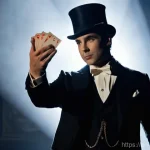
Ever wondered what truly separates a good magic trick from an unforgettable illusion? It’s not just about sleight of hand or grand gestures, I’ve found.
It’s the invisible artistry that elevates the experience, drawing you deeper into the mystery. For years, I’ve been fascinated by how a perfectly timed crescendo or a sudden shift in spotlight can transform a simple card trick into pure enchantment, making the impossible feel truly real.
From countless hours spent watching masters at work and even experimenting with my own small productions, I’ve come to realize that music and lighting aren’t mere accessories; they are the very heartbeat and soul of a magical performance.
They build suspense, evoke emotion, and guide the audience’s gaze, subtly manipulating their perception without them even knowing it. Think about the chill you get when the music swells just as a magician vanishes, or the awe when a new light cue reveals something that wasn’t there a moment ago.
This isn’t just stagecraft; it’s a profound understanding of human psychology and theatrical dynamics. In today’s fast-paced world, where audiences are exposed to dazzling visual effects daily, magicians are pushing the boundaries even further.
We’re seeing incredible integrations of cutting-edge LED technology, sophisticated projection mapping, and even AI-driven soundscapes that adapt to the performer’s movements.
The future of magic is absolutely buzzing with innovation, and understanding these elements is crucial for anyone who wants to create truly mesmerizing moments.
I’ve personally witnessed how a performer, using seemingly simple lighting and a well-chosen musical track, can create a far more impactful moment than someone with elaborate props but a disjointed sound and light design.
It’s all about creating that cohesive, immersive world for your audience. Trust me, it’s a game-changer. Let’s dive deeper into this below.
Crafting the Invisible Narrative: The Power of Sound in Illusion
You know, I’ve spent countless hours, probably more than I should admit, not just watching magic but truly *feeling* it. And what I’ve discovered, time and again, is that the audible landscape of a performance is just as crucial, if not more so, than the visual spectacle itself.
It’s like the magician is painting a picture, but with sound waves instead of brushstrokes. A perfectly timed musical cue can elevate a simple disappearance into something profoundly mysterious, making your heart race even when you logically know it’s a trick.
I’ve personally seen audiences gasp in unison, not because of a grand reveal, but because the music swelled at just the right moment, creating a shared emotional experience that solidified the illusion.
It’s not just background noise; it’s an active participant, a silent accomplice guiding your attention and priming your emotions. Think about a suspenseful movie scene – the tension isn’t just from what you see; it’s from the low, pulsing bass and the subtle, creeping strings that tell your brain, “something big is about to happen.” Magic leverages that same primal instinct, making the impossible feel inevitable.
The Emotional Resonance of a Crescendo
There’s something truly magical about a well-placed musical crescendo. It’s not just about volume; it’s about anticipation. When I was starting out, I experimented with a simple card reveal, trying different background tracks.
The ones that slowly built, adding layers of instrumentation, always got a bigger reaction. It felt like the music itself was *leading* the audience to the moment of revelation, making them lean forward, breath held tight.
It’s a psychological trick in itself, leveraging our natural response to rising sound. I remember one show where the magician made a small object vanish, and as it disappeared, a single, sustained note on a cello vibrated through the theater.
It was subtle, elegant, and incredibly effective, drawing every eye and every ear into that precise moment of wonder.
Soundscapes: Beyond the Soundtrack
And it’s not just about picking a song. We’re talking about creating entire soundscapes. Imagine the delicate tinkling of chimes as a silk scarf floats into the air, or the deep, guttural thrum that accompanies a heavy object being levitated.
These aren’t just arbitrary sounds; they’re meticulously chosen to enhance the visual narrative. I’ve even seen performers use subtle environmental sounds – the distant chirping of crickets for a nature-themed illusion, or the hushed murmur of a crowd for a street magic setup on stage.
It grounds the trick in a believable reality, even as it defies it. It’s like the auditory equivalent of a carefully designed set, completely immersing you in the moment.
Illuminating the Impossible: How Lighting Shapes Perception
If music is the heartbeat of a magical performance, then lighting is undoubtedly its very soul, guiding your gaze and subtly manipulating what you perceive.
It’s not just about making things visible; it’s about controlling *what* is visible, and more importantly, *what isn’t*. A magician friend of mine once told me, “The secret isn’t what you show, it’s what you don’t.” And that absolutely rings true for lighting.
I’ve witnessed countless illusions where a simple shift in a spotlight, a sudden blackout, or even a nuanced color change completely transformed the audience’s understanding of what they just saw.
It’s a dance between light and shadow, revelation and concealment, all orchestrated to create moments of profound wonder. We’re talking about more than just stage lights; we’re talking about psychological warfare waged with lumens and hues.
It’s truly fascinating when you break it down.
The Strategic Use of Shadow and Spotlight
Shadows aren’t the enemy; they’re the magician’s best friend. Think about it: a well-placed shadow can obscure a crucial move, hide a gimmick, or even create the illusion of something disappearing into thin air.
Conversely, a sharp, focused spotlight can draw your eye to precisely where the magician *wants* you to look, creating a misdirection that’s virtually undetectable.
I remember being completely fooled by a trick where the magician “materialized” an object from nowhere. Only later did I realize that a split-second flicker of a back light, coupled with a perfectly timed turn, created a fleeting moment of darkness where the switch occurred.
It was so seamless, so subtle, that my brain simply filled in the blanks with what it expected to see. It’s a masterful manipulation of our visual processing.
Color Psychology and Mood Setting
Beyond just light and dark, the *color* of the light plays a huge role in setting the mood and influencing perception. A cool blue light can evoke mystery and ethereal qualities, perfect for levitations or disappearances.
Warm amber or red tones can create a sense of intimacy, danger, or even passion, ideal for more dramatic presentations. I’ve personally experimented with how different colors affect the audience’s emotional state, and it’s incredible how impactful it can be.
A deep purple glow can make an illusion feel otherworldly, while a harsh white light can bring a sense of stark reality to a more scientific-themed trick.
It’s about more than just aesthetics; it’s about shaping the emotional landscape of the entire performance.
The Symphony of Senses: Integrating Audio-Visual Elements Seamlessly
Honestly, the real magic happens when music and lighting don’t just coexist, but *integrate* so completely that they become indistinguishable from the illusion itself.
It’s not two separate elements; it’s a single, cohesive sensory experience that washes over the audience, making the impossible feel not just real, but deeply impactful.
I’ve seen some truly breathtaking performances where every flash of light had a corresponding musical stinger, every reveal was punctuated by a crescendo, and every vanish seemed to be swallowed by a sudden drop in the soundscape.
This isn’t easy to achieve, believe me. It requires meticulous planning, a deep understanding of rhythm and timing, and often, a dedicated team working behind the scenes.
But when it clicks, oh boy, it’s absolutely unforgettable.
Synchronicity: The Key to Immersion
The concept of synchronicity is paramount here. It’s the art of ensuring that every visual beat has an auditory counterpart, and vice-versa. Imagine a magician causing a deck of cards to explode into a shower of confetti – if that’s accompanied by a perfectly timed burst of sound, perhaps a sharp cymbal crash or a sudden, loud flourish, the impact is amplified tenfold.
The audience’s senses are overwhelmed in the best possible way, preventing them from dissecting the mechanics of the trick. I recall a mentalism act where the reveal of a chosen word was paired with a soft, almost imperceptible chime and a subtle shift in the stage’s ambient lighting.
It was so understated, yet so powerful, that it felt like a shared secret, a moment of true connection rather than just a trick.
Creating a Cohesive Theatrical Universe
Ultimately, the goal is to create a fully immersive theatrical universe where the illusion can flourish unimpeded. This means thinking beyond just individual cues and considering the overall flow of the performance.
How does the mood transition from one trick to the next? How do the audio and visual elements contribute to the narrative arc of the show? I’ve found that magicians who treat their shows like a play, with distinct acts and emotional journeys, are the ones who truly excel.
They use music and lighting to build tension, provide comic relief, evoke wonder, and ultimately, leave the audience with a lasting sense of amazement.
It’s about building a world where magic is not just possible, but inevitable.
Modern Innovations: Tech-Enhanced Illusions
It’s wild how much technology has changed the game for magicians. What was once purely about analog trickery now often involves some seriously cutting-edge tech, making illusions more dazzling and seamless than ever before.
We’re not just talking about brighter lights or louder speakers; we’re talking about sophisticated systems that can react in real-time, creating truly dynamic experiences.
I’ve always been a bit of a tech enthusiast, so seeing these advancements being woven into magical performances is incredibly exciting. It shows that the art form is constantly evolving, pushing boundaries and finding new ways to captivate an audience in our increasingly digital world.
This isn’t just about bells and whistles; it’s about fundamentally altering what’s possible on stage.
| Technology | Impact on Magic | Audience Experience |
|---|---|---|
| LED Lighting Systems | Instant color changes, complex light patterns, energy efficiency | Dynamic visuals, enhanced mood setting, surprising reveals |
| Projection Mapping | Transforming surfaces, creating animated backdrops, interactive elements | Immersive environments, seemingly impossible transformations |
| Automated Rigging | Precise, hidden movements of props and performers | Seamless appearances/disappearances, complex levitations |
| AI/Generative Soundscapes | Adaptive music/sound effects reacting to performer’s movements | Hyper-personalized, responsive, and unique audio experiences |
| Wearable Tech (Sensors) | Triggering effects with gestures, biometric feedback for performance | Effortless control, seemingly psychic connections to technology |
The Rise of Programmable Light Shows
Programmable LED lighting systems have been an absolute game-changer. Gone are the days of manual dimmers and colored gels. Now, magicians can choreograph intricate light sequences down to the millisecond, creating breathtaking visual effects that were once impossible.
I’ve seen shows where the stage lights literally “chase” a vanishing object, or where an entire set changes color and pattern in sync with the narrative of the illusion.
This level of precision allows for far more complex and believable misdirection, making it harder than ever for even the most observant audience members to catch a glimpse of the secret.
It’s like having a silent, omniscient assistant controlling every photon.
Sound that Adapts: The Future of Auditory Magic
And then there’s the exciting world of adaptive soundscapes. Imagine a system where the music and sound effects don’t just play on a loop, but actually *react* to the magician’s movements, pace, and even audience engagement.
We’re talking about AI-driven audio that can subtly shift tempo, add specific sound effects based on a gesture, or even alter its timbre to match the emotional tone of the performance in real-time.
I heard about one experimental show that used biometric sensors on the magician to adjust the music’s intensity based on their heart rate! This kind of dynamic, responsive audio makes the performance feel incredibly alive and organic, drawing you deeper into the illusion because it feels uniquely tailored to that very moment.
The Human Touch: Beyond the Technical Glitz
While all this talk of technology is exhilarating, it’s crucial to remember that at the heart of every truly great magical performance is the human element.
The tech is just a tool, albeit a powerful one. What truly resonates with an audience, what creates those unforgettable moments of wonder, is the magician’s ability to connect, to tell a story, and to evoke genuine emotion.
I’ve seen magicians with the most elaborate setups fall flat because they lacked charisma or connection, and conversely, I’ve seen street performers with nothing but a deck of cards and a captivating personality mesmerize hundreds.
The balance is key. It’s about leveraging the tech to amplify the human connection, not replace it.
The Performer as Conductor
Think of the magician as the conductor of an orchestra, with music and lighting being their instruments. They’re not just performing tricks; they’re orchestrating an entire sensory experience.
Their presence, their timing, their emotional delivery – these are the elements that breathe life into the technical wizardry. I often reflect on how a simple glance, a subtle smile, or a perfectly timed pause from the performer can make the difference between a good trick and an extraordinary illusion.
It’s their energy, their belief in the impossible, that truly sells the moment, making the audience willingly suspend their disbelief. Without that human touch, even the most advanced light and sound show feels empty.
Authenticity in the Age of Digital Effects
In a world saturated with digital effects and CGI, there’s something incredibly powerful about authentic, live magic. The role of music and lighting here is to enhance that authenticity, to make the impossible feel *real* in the shared space of the performance.
It’s about creating a tangible sense of wonder that you can’t get from a screen. I’ve always felt that the best magic isn’t about deception; it’s about a shared journey into the realm of possibility.
When the music swells and the lights shift, it’s not just a cue for a trick; it’s an invitation for the audience to believe, to dream, and to experience something truly extraordinary alongside the performer.
It’s a collective gasp, a shared moment of awe, that transcends the mechanics of the illusion.
Mastering the Craft: Practice, Experimentation, and Observation
So, how do magicians actually get to this level of mastery, especially when it comes to integrating something as nuanced as music and lighting? Well, it’s not a secret formula you can buy.
It’s a relentless pursuit of perfection, a continuous cycle of practice, experimentation, and observation. I’ve personally spent hours, sometimes late into the night, just trying to match a specific musical phrase to a particular movement, or experimenting with how a gel color affects the visibility of a prop.
It’s tedious, it’s frustrating, and often, it feels like you’re getting nowhere. But then, *click*, something just works, and that’s when you know you’re onto something special.
Endless Hours in the Lab (or Basement!)
Seriously, if you could peek behind the curtain, you’d be shocked at the sheer volume of trial and error that goes into a polished performance. Every single musical cue, every lighting change, every moment of silence or darkness – it’s all meticulously planned and rehearsed hundreds of times.
I once watched a magician friend of mine spend an entire afternoon just practicing a 30-second sequence, adjusting the timing of a single spotlight by fractions of a second until it felt absolutely perfect.
It’s a testament to the dedication required, understanding that these seemingly minor details are what elevate a performance from good to breathtaking.
This isn’t a quick fix; it’s a commitment to the craft.
Learning from the Legends and Beyond
And it’s not just about doing it yourself. It’s about being an avid student of the art form. That means watching other performers, not just for the tricks, but for *how* they use their environment.
How do the biggest names use a simple shift in a blue light to create an otherworldly atmosphere? How does a comedic magician use a sudden burst of cheerful music to punctuate a gag?
I’ve learned invaluable lessons simply by observing, absorbing, and then adapting those principles to my own style. It’s about understanding the psychology of performance and how sound and light contribute to that, drawing inspiration from theater, cinema, and even everyday experiences where atmosphere plays a crucial role.
The Audience’s Journey: Crafting Memorable Moments
Ultimately, everything we’ve talked about – the music, the lighting, the human touch, the technology, the endless practice – it all boils down to one thing: creating an unforgettable journey for the audience.
Magic isn’t just about seeing something impossible; it’s about *feeling* something extraordinary. It’s about leaving the theater or the street corner with a lingering sense of wonder, a feeling that for a brief moment, the ordinary rules of the universe were suspended.
And that, my friends, is where the masterful use of sound and light truly shines. They are the unseen forces that guide your emotions, control your focus, and ultimately, solidify the memory of an impossible moment.
From Surprise to Sustained Awe
Think about the arc of an audience’s emotional experience. It often starts with surprise, a sudden gasp as something impossible happens. But a truly great illusion extends beyond that initial shock.
It cultivates a sustained sense of awe, a lingering mystery that stays with you long after the trick is over. Music and lighting are absolutely pivotal in transitioning from that initial surprise to a deeper, more profound sense of wonder.
A sustained, ambient musical tone after a vanish can prolong the mystery, allowing the audience to truly *feel* the impossibility. A slowly fading light can leave a mental afterimage, making the impossible seem almost palpable.
Building Shared Memories
What magicians truly strive for is to create shared memories – moments that an audience will talk about for years to come. “Do you remember when that person floated?” “How did they make that disappear right in front of us?” These conversations are fueled by the complete sensory experience of the performance, where every element conspired to make the unbelievable undeniably real.
When I recall the most impactful magical experiences I’ve had, it’s never just the trick itself. It’s always the complete package: the hushed silence of the room, the dramatic lighting, the subtle build-up of the music, and the collective gasp of everyone around me.
That’s the true alchemy, turning simple props and sleight of hand into pure, unadulterated enchantment.
Wrapping Things Up
And there you have it, folks! After diving deep into the fascinating interplay of sound and light in the world of illusion, I hope you’ve gained a new appreciation for the silent architects behind the magic. It’s truly incredible how these often-underestimated elements are meticulously woven into every performance, shaping our perceptions and guiding our emotions without us even realizing it. From the subtle crescendo that heightens anticipation to the perfectly timed blackout that conceals a secret, every choice is deliberate, aimed at creating an unforgettable experience. It reminds us that magic isn’t just about what you see, but what you feel, hear, and ultimately, believe.
Useful Tips to Know
Here are a few nuggets of wisdom I’ve picked up along the way, whether you’re an aspiring magician or just someone who loves the art of illusion:
1. Listen Actively During Performances: Pay attention to the background music and sound effects. Are they building tension, marking a moment, or simply setting a mood? You might be surprised by how much they influence your experience.
2. Observe Lighting Cues: Notice how spotlights draw your eye or how shadows are used. Magicians are masters of misdirection, and lighting is often their most powerful, yet overlooked, ally in guiding your gaze.
3. Consider the “Feel” of the Room: Beyond just the trick, think about the overall atmosphere. Is it mysterious, playful, dramatic? Sound and light are huge contributors to creating that immersive feeling.
4. Experiment with Your Own Environment: If you’re into any kind of performance or presentation, try changing your background music or lighting. You’ll quickly see how much it impacts the message or emotion you’re trying to convey.
5. Appreciate the Details: The real magic often lies in the nuanced synchronization of every element. It’s the split-second timing of a sound effect with a visual reveal that truly elevates a good trick to an unforgettable moment of wonder. It’s about how deeply the performer has thought about every single sensory input you receive.
Key Takeaways
My journey through the world of magic, both as an observer and someone who’s tinkered behind the scenes, has consistently reinforced one truth: the mastery of sound and light isn’t just an enhancement; it’s fundamental to crafting truly impactful illusions. I’ve seen firsthand how a performer’s keen understanding of auditory and visual psychology can transform a simple sleight of hand into a profound experience, captivating audiences and making the impossible feel utterly real. It’s about building a narrative that isn’t just seen, but deeply felt and heard. The best magicians I’ve encountered aren’t just tricksters; they’re expert storytellers who use every tool at their disposal to weave a compelling tale of wonder.
What really sticks with me is that this isn’t about expensive gear alone; it’s about intentionality. It’s about the countless hours of experimentation, the critical observation of how audiences react, and the relentless pursuit of seamless synchronicity. From the subtle shift in a spotlight that dictates where your eye goes, to the perfectly timed musical stinger that punches up a reveal, these elements are the invisible threads that tie the entire performance together. Ultimately, for me, the true genius lies in how these technical aspects become so integrated that they disappear, leaving only pure, unadulterated enchantment. It’s a testament to the fact that magic, at its core, is a symphony of the senses, masterfully conducted by the human touch.
Frequently Asked Questions (FAQ) 📖
Q: Why do you consider music and lighting to be the “heartbeat and soul” of a magical performance, rather than just added embellishments?
A: Oh, that’s a question I absolutely love getting! From my years of dissecting performances and even dabbling myself, I’ve come to realize that music and lighting are so much more than just window dressing.
Think about it: a magician can have the most incredible sleight of hand, but if the atmosphere isn’t right, that moment of wonder can just… fall flat.
What I’ve found, truly, is that these elements build the emotional landscape of the act. The music creates anticipation, that little flutter in your chest before something amazing happens, or the profound silence that amplifies a vanish.
Lighting, on the other hand, is your silent guide. It directs the audience’s eye, subtly highlighting what you want them to see and, crucially, obscuring what you don’t.
I’ve witnessed firsthand how a perfectly timed spotlight shift or a swell of strings can turn a simple card trick into an unforgettable, goosebump-inducing experience.
It’s about crafting an immersive world, not just performing a trick. It transforms the impossible into something truly real in the audience’s mind.
Q: How do music and lighting actively manipulate an audience’s perception during a magic trick? Can you give an example?
A: This is where it gets really fascinating, and honestly, a bit psychological! Music and lighting don’t just support the magic; they are active participants in creating the illusion.
Imagine a magician performing a vanish. If the music builds to a crescendo just as the object disappears, and then drops into a sudden silence, your brain feels the impact of that disappearance more profoundly.
It’s a sonic punctuation mark. Similarly, lighting plays a huge role in misdirection, even without the audience realizing it. I’ve seen magicians use a sudden bright flash or a quick shift from a wide stage wash to a tight spot.
This momentary visual jolt can mask a subtle move that would otherwise be detectable. It’s like a visual breath hold. A prime example?
Think about those grand illusions where a person appears or disappears from a box. Often, a dramatic blackout or a rapid sequence of flashing lights provides the cover needed for the switch.
Your eyes are overwhelmed for a split second, and that’s all the performer needs. It’s a masterful dance between what you see, what you hear, and what your brain thinks it saw.
Q: With all the new technology available, what are some of the cutting-edge ways magicians are integrating music and lighting now, and how does that elevate the performance?
A: Oh, the advancements in this area are just mind-blowing, and it’s truly an exciting time for magic! Magicians are absolutely pushing the envelope, and I’ve seen some incredible things unfold.
We’re talking about sophisticated LED technology woven directly into props or costumes, creating dynamic, color-changing effects that can react to the magician’s movements or even the beat of the music.
Then there’s projection mapping, which is a total game-changer. Performers are projecting intricate visuals onto surfaces, creating illusions of movement, transformation, or even entire fantastical backdrops that change in real-time.
It’s like the stage itself becomes a living, breathing part of the illusion. And get this: AI-driven soundscapes! Imagine music that isn’t pre-recorded but adapts organically to the performer’s pace, or even the audience’s reaction, creating a truly unique and responsive atmosphere every single time.
What this does is elevate the magic from a mere trick to a fully immersive, multi-sensory experience. It blurs the lines between reality and illusion in ways we could only dream of before, making every single moment feel profoundly impactful and unforgettable.