Ever felt that pull, that irresistible curiosity towards the impossible? That’s the magic bug biting, and it’s a contagious one! Magic, in its many forms, from close-up card tricks that leave you gasping to grand illusions that defy reality, has always held a unique fascination.
I remember the first time I saw a coin vanish right before my eyes – I was hooked! It’s more than just entertainment; it’s a community, a shared passion for wonder and disbelief.
These days, the magic community is buzzing with innovation, with new techniques and technologies like augmented reality blending seamlessly with classic stagecraft.
It’s evolving, adapting, and constantly reinventing itself. Want to unravel the secrets behind the smoke and mirrors? Let’s delve deeper and get a more detailed insight into this world in the following article!
Alright, let’s dive into the magical world!
Unmasking the Psychology Behind Magic’s Allure
Humans are naturally curious creatures. We are drawn to the mysterious, the unexplainable, and the seemingly impossible. Magic plays directly into this fundamental aspect of our psychology.
It challenges our perception of reality, prompting us to question how things work.
The Thrill of Cognitive Dissonance
Magic tricks create a cognitive dissonance, a mental discomfort experienced when holding conflicting beliefs. We know, logically, that the magician is using some form of deception, yet our eyes tell us something different.
This conflict is stimulating, even enjoyable. It’s like solving a puzzle. I remember one time, seeing a magician make a lady levitate in the air and I couldn’t believe what my eyes were seeing!
Of course my rational part of the brain knew something was going on, but wow was that experience magical.
The Power of Surprise and Wonder
Surprise is a key element in the effectiveness of magic. A well-executed trick catches the audience off guard, creating a moment of genuine wonder. This feeling of astonishment is intrinsically rewarding, triggering the release of dopamine in the brain, the same chemical associated with pleasure and reward.
The Illusion of Control
In a world often perceived as chaotic and unpredictable, magic offers a temporary escape. It presents a seemingly controlled environment where the impossible becomes possible, providing a sense of order and control that can be deeply satisfying.
The Evolution of Magic: From Stage to Screen and Beyond
Magic isn’t trapped in velvet curtains and dimly lit stages. It is continuously transforming, reflecting the evolving technologies and cultural sensibilities of each generation.
Magic in the Digital Age
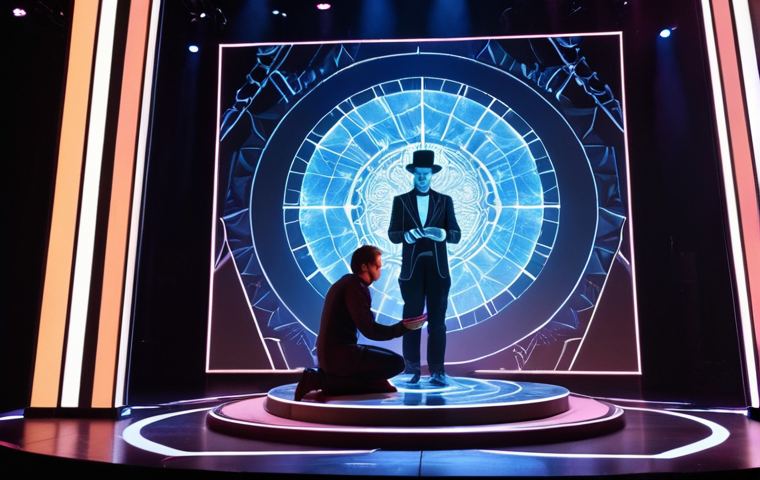
The integration of technology has opened new doors for magicians. Augmented reality (AR) and virtual reality (VR) are increasingly incorporated into performances, allowing for illusions that were once unimaginable.
Digital sleight of hand can be performed through screens, adding a new dimension to the art form.
The Rise of Street Magic and Social Media
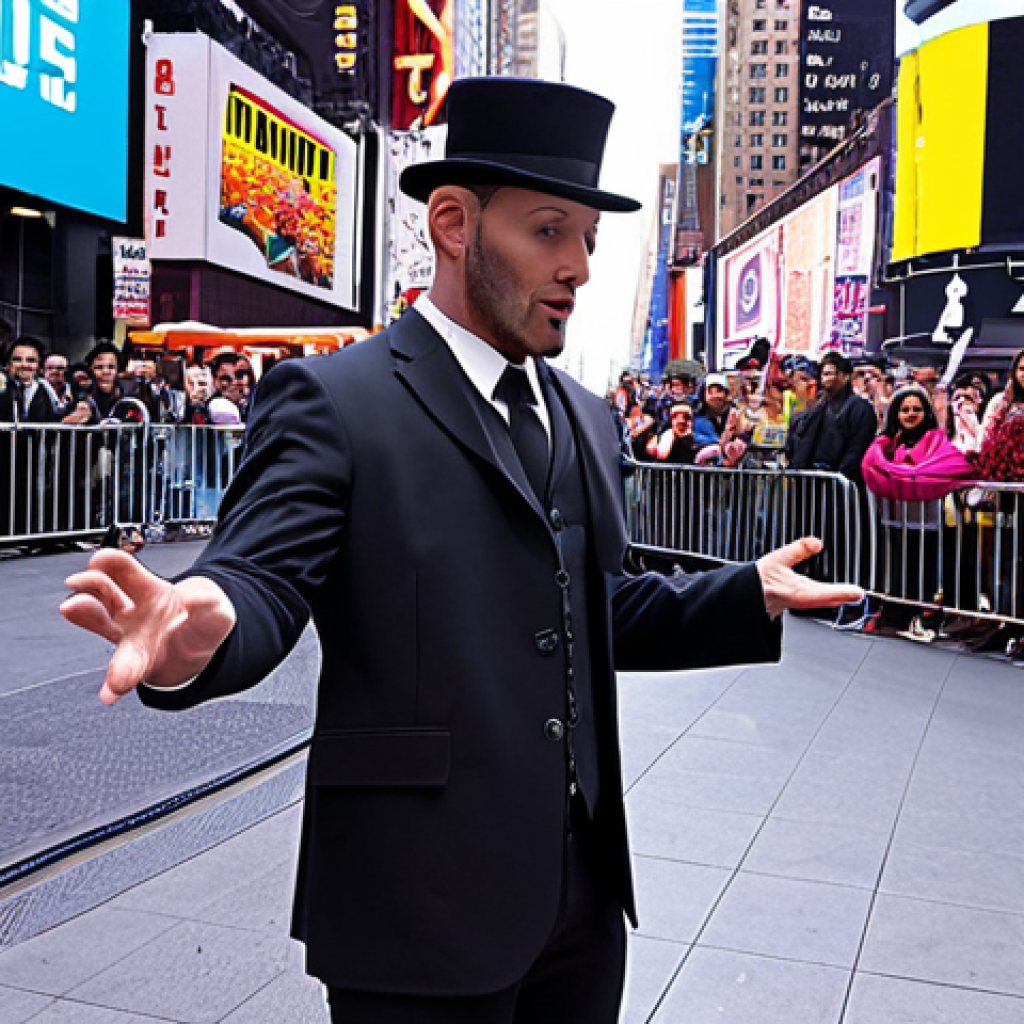
Street magic, popularized by performers like David Blaine, has brought magic to the masses. The spontaneous nature of these performances creates a sense of immediacy and authenticity that resonates with audiences.
Social media platforms such as YouTube and Instagram have also become vital avenues for magicians to showcase their talents and connect with fans.
The Impact of Magic on Other Art Forms
Magic has always influenced other art forms, from film and television to literature and theater. Special effects in movies owe a great debt to the techniques developed by magicians.
Storytelling also borrows heavily from magic’s principles of misdirection, surprise, and revelation.
Navigating the Ethical Labyrinth of Illusion
Magic operates in a unique ethical gray area. While deception is at its core, it is a form of deception practiced with the explicit intention to entertain and amaze, not to harm or deceive for personal gain.
The Magician’s Code
Most magicians adhere to an unwritten code that prioritizes the protection of secrets and the maintenance of wonder. This code discourages revealing the methods behind illusions to non-magicians, as it believes that doing so diminishes the experience of magic for everyone.
Balancing Entertainment and Deception
The line between entertainment and deception can be blurry. Some critics argue that magic promotes dishonesty, while proponents contend that it encourages critical thinking and skepticism.
I think the real important thing is that people understand that the magician is trying to entertain the audience and the goal isn’t necessarily to deceive.
The Ethical Use of Magic in Society
Magic’s principles can be applied to various aspects of society, from advertising and marketing to politics and persuasion. Understanding how magic works can help individuals become more discerning consumers and citizens, better equipped to recognize and resist manipulative tactics.
The Business Side of Wonder: Making Magic a Career
While the allure of magic is often rooted in its mystery and artistry, it can also be a viable career path for those who possess the talent, dedication, and entrepreneurial spirit.
Building a Brand as a Magician
In today’s competitive market, it’s essential for magicians to establish a unique brand. This involves defining a specific style, target audience, and performance persona.
Strong branding helps magicians stand out from the crowd and attract clients.
Marketing and Promotion Strategies
Effective marketing and promotion are crucial for any aspiring magician. This includes building a website, creating engaging social media content, networking with event planners and venues, and seeking media coverage.
Diversifying Income Streams
The most successful magicians often diversify their income streams. This might involve performing at corporate events, private parties, and festivals, as well as offering workshops, lectures, and instructional materials.
Some magicians also create and sell their own tricks and illusions.
The Power of Magic to Inspire and Heal
Beyond entertainment, magic has the power to inspire, uplift, and even heal. It can foster a sense of wonder, spark creativity, and provide a much-needed escape from the stresses of everyday life.
Magic as a Tool for Therapy
Magic has been used as a therapeutic tool to help individuals overcome anxiety, build confidence, and develop social skills. Learning and performing magic tricks can improve hand-eye coordination, cognitive function, and communication abilities.
Bringing Joy to Others
Magicians often perform for children in hospitals, senior citizens in nursing homes, and other individuals who may be struggling with illness, isolation, or hardship.
Their performances can bring moments of joy, laughter, and connection to those who need it most.
The Enduring Legacy of Magic
Magic has been a part of human culture for centuries, and its enduring appeal suggests that it will continue to captivate and inspire generations to come.
It reminds us that there is still mystery and wonder in the world, and that anything is possible if we dare to believe. Here’s a table summarizing key aspects of the magic community:
| Aspect | Description | Examples |
|---|---|---|
| Types of Magic | Different categories based on performance style | Close-up magic, stage illusions, mentalism, street magic |
| Key Skills | Necessary abilities for a successful magician | Sleight of hand, misdirection, showmanship, psychological techniques |
| Ethical Considerations | Principles guiding the responsible practice of magic | Protecting secrets, avoiding harm, entertaining with honesty |
| Modern Trends | Current developments shaping the future of magic | Augmented reality, social media influence, therapeutic applications |
Mastering the Art of Misdirection: The Cornerstone of Illusion
Misdirection is not merely about diverting attention; it’s a sophisticated psychological technique that manipulates perception, memory, and expectation.
Understanding the Psychology of Attention
To effectively misdirect, one must understand how attention works. Attention is a limited resource, and magicians exploit this limitation by directing focus to one area while performing the secret action elsewhere.
This often involves using verbal cues, gestures, or dramatic moments to draw the audience’s gaze.
Techniques of Physical and Verbal Misdirection
Physical misdirection involves using body language, movement, and stagecraft to control the audience’s visual field. Verbal misdirection employs carefully chosen words, timing, and tone of voice to guide their thoughts and interpretations.
The two work in tandem to create a seamless illusion.
Advanced Misdirection: The Art of Anticipation
The most skilled magicians can anticipate the audience’s natural thought processes and use this anticipation to their advantage. This involves predicting what the audience will expect to see, remember, and believe, and then subtly manipulating those expectations to enhance the impact of the illusion.
I once saw a magician do a trick where he predicted the exact card that I was thinking of. I didn’t even say the card out loud!
The Future of Magic: Innovation and Immersion
The future of magic lies in pushing the boundaries of technology, blurring the line between reality and illusion, and creating increasingly immersive and interactive experiences for audiences.
The Role of Artificial Intelligence in Magic
AI has the potential to revolutionize magic in numerous ways. AI-powered illusions could adapt to the individual audience member’s preferences and responses, creating a truly personalized experience.
AI could also be used to generate new illusions and techniques, expanding the magician’s creative toolbox.
Creating Immersive and Interactive Experiences
The future of magic is moving towards immersive experiences that engage all the senses. This might involve using virtual reality, augmented reality, or other technologies to create environments that react to the audience’s presence and actions.
Interactive elements, such as allowing audience members to participate in the illusion, can further enhance the sense of immersion and engagement.
The Importance of Storytelling in Magic
Ultimately, the most compelling magic performances are those that tell a story. Storytelling adds depth, meaning, and emotional resonance to the illusion, transforming it from a mere trick into a captivating and memorable experience.
The future of magic will likely see an increased emphasis on storytelling and narrative, using illusion as a vehicle for exploring universal themes and emotions.
Okay, here we go:
Concluding Thoughts
As we pull back the curtain on the psychology, evolution, ethics, and business of magic, it becomes clear that this ancient art form is more than just smoke and mirrors. It is a testament to human curiosity, creativity, and the enduring power of wonder. Whether you’re a seasoned magician or a curious observer, the world of magic offers endless opportunities for exploration and inspiration.
Handy Information
1. Attend Local Magic Shows: Check out local theaters or event spaces for magic performances. It’s a great way to support local artists and experience magic up close.
2. Join a Magic Club: Look for magic clubs or organizations in your area. These clubs often host workshops, lectures, and competitions, providing opportunities to learn from experienced magicians and network with fellow enthusiasts.
3. Explore Online Resources: There are countless websites, forums, and YouTube channels dedicated to magic. These resources offer tutorials, reviews, and insights into the latest trends and techniques.
4. Read Books on Magic: Libraries and bookstores carry a wide range of books on magic, from beginner’s guides to advanced techniques. Reading these books can provide a solid foundation in the principles of magic and inspire new ideas.
5. Take a Magic Workshop: Many community centers and colleges offer magic workshops for adults and children. These workshops provide hands-on instruction from experienced magicians and are a fun way to learn new skills.
Key Takeaways
Magic is rooted in psychology, leveraging our natural curiosity and cognitive biases.
Ethical considerations are paramount; magicians should prioritize entertainment and wonder over deception for personal gain.
Misdirection is a core technique, manipulating attention and perception to create illusions.
The future of magic involves technological innovation, immersive experiences, and compelling storytelling.
Magic offers both entertainment and therapeutic benefits, fostering creativity and confidence.
Frequently Asked Questions (FAQ) 📖
Q: I’ve always been curious about getting into magic. Where’s a good place to start learning, especially if I’m on a tight budget?
A: That’s awesome you’re looking to dive in! When I first started, YouTube was my best friend. Channels like Ellusionist and Penguin Magic have loads of free tutorials covering everything from basic card handling to self-working tricks that are surprisingly impressive.
Also, check out your local library! You’d be surprised how many books they have on magic for beginners. Don’t feel pressured to buy expensive props right away.
A standard deck of cards and some practice are all you really need to get started. Trust me, mastering the basics is way more important than flashy equipment.
Q: I’m a bit skeptical about magic. Is it all just clever deception, or is there more to it than that?
A: I get the skepticism! Honestly, at its core, magic is deception. But it’s deception with a purpose – to create wonder and entertainment.
It’s like watching a movie; you know it’s not real, but you still allow yourself to get swept away by the story. Good magic isn’t just about fooling people; it’s about creating a shared experience of astonishment.
It’s about the performance, the storytelling, and the connection with the audience. When done well, it can be a really powerful and positive thing. I think the best magicians are more like actors or storytellers than just tricksters.
Q: What’s the biggest challenge facing the magic community today, and how are magicians adapting?
A: I think the biggest challenge is definitely the internet! Tutorials for just about any trick are readily available, which can cheapen the experience for audiences.
It also puts pressure on magicians to constantly innovate and come up with new, more deceptive methods. However, the internet is also a huge opportunity.
It allows magicians to connect, share ideas, and learn from each other in ways that were never possible before. Plus, it’s a great platform for showcasing their talents and reaching new audiences.
We’re also seeing a rise in “experiential magic” – immersive shows that focus on creating unique and unforgettable moments for small groups of people.
I think that’s a really exciting direction for the art form.
📚 References
Wikipedia Encyclopedia
구글 검색 결과
구글 검색 결과
구글 검색 결과
구글 검색 결과