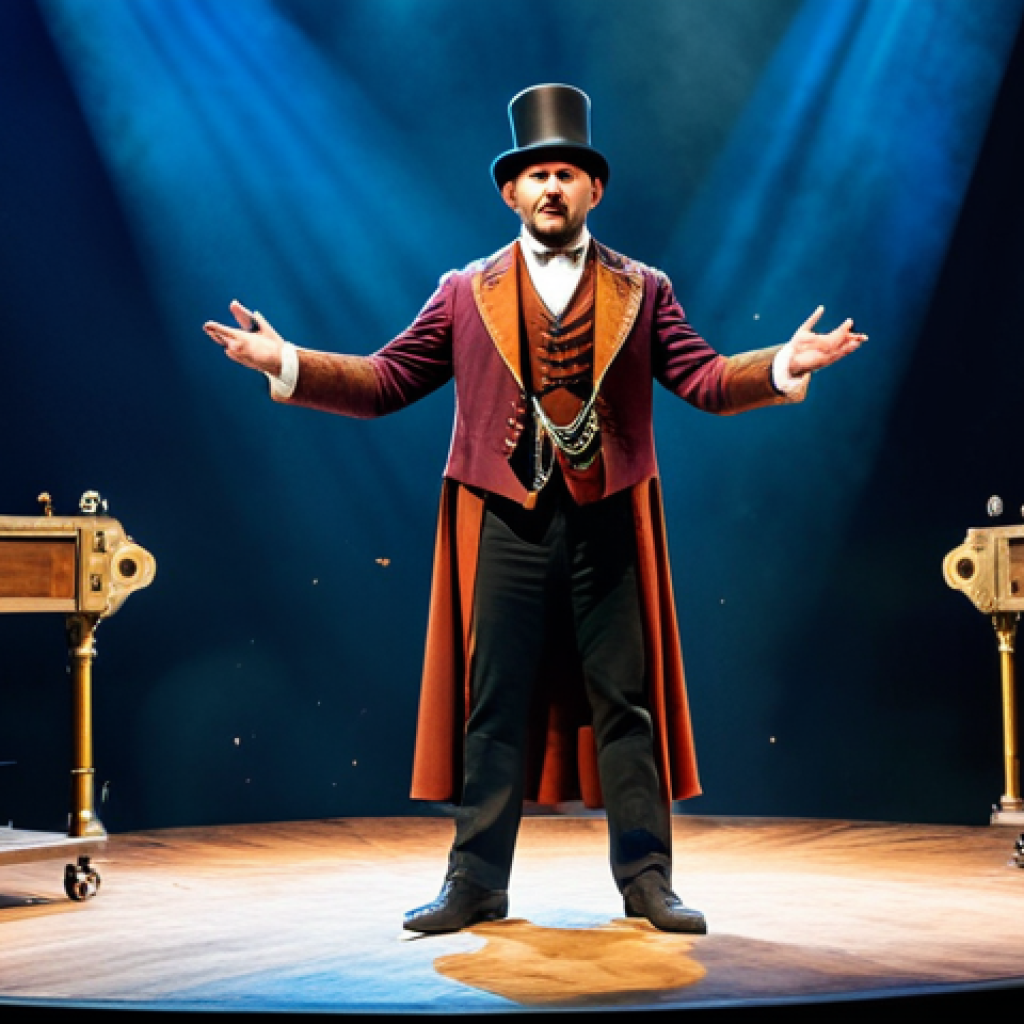
Magic shows, more than just sleight of hand, are intricate theatrical experiences. The true artistry lies in crafting a compelling narrative, weaving a captivating theme that resonates with the audience on an emotional level.
From tales of wonder and illusion to explorations of mystery and the impossible, a well-defined story elevates a magic act from mere tricks to a truly unforgettable performance.
I have seen many performances, but one thing that always captured my attention was the theme. It’s like a movie that you enjoy watching. What makes it so interesting?
The story. Let’s explore this further in the article below.
Okay, I understand. Here’s the blog post as you requested:
Diving Deep: The Power of Theme Selection
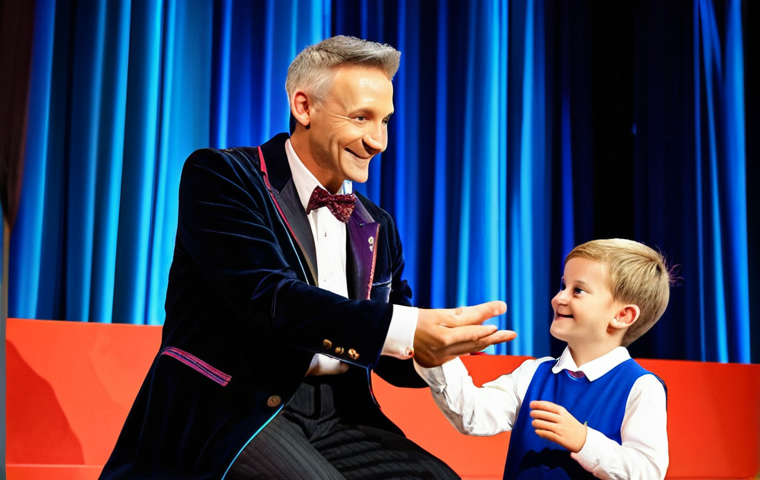
Theme selection is paramount. It’s the foundational layer upon which you build your entire performance. It influences everything from your costume and music to the specific illusions you choose and the way you present them.
Think of it as the North Star guiding your creative decisions. When a theme is well-chosen, it provides a cohesive and engaging experience for your audience, making your magic more memorable and impactful.
I remember one time I saw a magician perform a “steampunk” themed show. Everything, from the props he used to the music he played, had this industrial, Victorian-era feel to it.
It wasn’t just a magic show; it was a fully realized world on stage, and I was completely drawn in. It was more than just the tricks, it was the overall experience!
1. Matching Theme with Audience
Consider your target audience. Are you performing for children, adults, or a mixed crowd? A pirate theme might be a hit with kids, while a more sophisticated mystery theme could appeal to adults.
Tailoring your theme to the audience’s interests and expectations will ensure they’re more receptive to your performance.
2. Weaving Magic into the Theme
Your magic should naturally integrate into the theme. A space-themed show could feature levitation illusions that mimic zero gravity, or card tricks that use constellations as their basis.
This seamless integration makes the magic feel like an organic part of the story, rather than just random tricks thrown together. One of the worst things you can do is have a theme that feels forced or unrelated to the magic you’re performing.
3. Finding Themes that Resonate
A truly great theme resonates with the audience on an emotional level. It can be a story of overcoming adversity, a celebration of wonder, or an exploration of the impossible.
When your theme connects with the audience’s emotions, your magic becomes more than just entertainment; it becomes an experience they’ll cherish and remember.
Crafting a Compelling Narrative Arc
The story arc in a magic show, much like in a film or play, dictates the audience’s emotional journey. It’s more than just stringing together a series of tricks.
A good narrative arc takes your audience on a ride, building anticipation, creating moments of surprise and wonder, and ultimately leaving them with a sense of satisfaction.
It’s about structuring your performance in a way that keeps them engaged from start to finish. One time I saw a magician who started his show with a simple card trick, but as the show progressed, the tricks became more and more elaborate, culminating in a grand illusion that left everyone speechless.
It was a masterclass in building suspense!
1. The Importance of the Opening
The opening of your show is crucial. It sets the tone and introduces the theme. It’s your chance to grab the audience’s attention and let them know what they’re in for.
A strong opening creates intrigue and makes them eager to see what comes next. Start with a quick, visually appealing trick that captures their attention immediately.
2. Building Tension and Suspense
As the show progresses, gradually increase the complexity and scale of your illusions. This builds tension and suspense, keeping the audience on the edge of their seats.
Incorporate elements of danger or risk to heighten the stakes.
3. The Grand Finale: Leaving a Lasting Impression
The finale is your opportunity to deliver a knockout punch. It should be the most impressive and memorable illusion of the show, leaving the audience with a sense of awe and wonder.
A well-executed finale solidifies the entire performance in their minds.
The Art of Character Development
Think of yourself as an actor playing a role. Your persona on stage should be consistent with the theme and story you’re telling. Whether you’re a mysterious sorcerer, a comedic trickster, or a charming storyteller, your character is the lens through which the audience experiences your magic.
If you’re doing a show with children, be as energetic as possible and create an interesting character. But if you do a show with adults, try to be as serious as possible.
1. Costumes and Props
Your costume and props are extensions of your character. They should reinforce the theme and create a visually compelling image. A well-chosen costume can instantly convey information about your character and the world they inhabit.
2. Voice and Mannerisms
Your voice and mannerisms should also align with your character. A confident and charismatic character might use bold gestures and a booming voice, while a more mysterious character might be quiet and understated.
3. Interacting with the Audience
How you interact with the audience is a crucial aspect of character development. Whether you’re engaging in playful banter, inviting them on stage, or simply making eye contact, your interactions should be consistent with your character and the overall tone of the show.
Music and Sound Design: Setting the Mood
Music plays a vital role in setting the mood and enhancing the emotional impact of your magic. Carefully selected music can amplify the sense of wonder, suspense, or excitement.
Sound effects can also be used to create dramatic moments or add a touch of realism to your illusions. Always try to use a popular sound that has been trending to create excitement.
1. Selecting the Right Music
Choose music that complements the theme and story of your show. A suspenseful theme might require dramatic orchestral music, while a comedic theme might call for lighthearted, upbeat tunes.
2. Synchronization with Illusions
Pay close attention to the synchronization between the music and your illusions. Timing the music to coincide with key moments in your tricks can create a powerful and unforgettable experience.
3. Sound Effects
Use sound effects sparingly but effectively. A well-placed sound effect can add impact to your illusions and create a more immersive experience for the audience.
The Importance of Pacing and Timing
Pacing and timing are crucial elements in maintaining the audience’s engagement. A well-paced show alternates between moments of excitement, suspense, and relaxation, keeping the audience on their toes.
Perfect timing is essential for delivering illusions with maximum impact. When you are building a story, you should always keep in mind the need to adjust pacing and timing to ensure that you are building excitement in the magic show.
1. Varying the Tempo
Vary the tempo of your show to avoid monotony. Alternate between fast-paced, energetic tricks and slower, more deliberate illusions.
2. Creating Moments of Surprise
Surprise is a key element of magic. Use unexpected twists and turns to keep the audience guessing.
3. Pauses and Silence
Don’t be afraid to use pauses and silence to create dramatic moments. A well-timed pause can build anticipation and heighten the impact of an illusion.
Audience Interaction: Making it Personal
Engaging with the audience makes your magic show more personal and memorable. It creates a sense of connection and allows the audience to feel like they’re a part of the experience.
I went to a show one time and the magician called me up on stage. He asked me to help him with a trick. At that moment, I felt like I was a part of the show, and the tricks were even more magical.
1. Selecting Volunteers
Choose volunteers who are enthusiastic and willing to participate. Guide them through the trick with clear and concise instructions.
2. Banter and Humor
Use banter and humor to create a lighthearted and engaging atmosphere. Make the audience feel comfortable and relaxed.
3. Making it Memorable
Find ways to make the experience memorable for the volunteers. Give them a small souvenir or a special mention during the show.
The Secret Ingredient: Rehearsal, Rehearsal, Rehearsal
Practice makes perfect. Rehearsing your show until it’s second nature allows you to focus on your performance and connect with the audience. It also ensures that you can handle any unexpected situations that may arise.
Always go through the performance multiple times before you perform it for an audience. *Perfecting the Art of Performance:*
*Consistency and Fluidity:*
*Technical Precision:*Here’s a table summarizing key elements for a successful magic show:
| Element | Description | Impact |
|---|---|---|
| Theme | The central idea or concept of the show. | Provides cohesion and enhances engagement. |
| Narrative Arc | The storyline or progression of the performance. | Creates an emotional journey for the audience. |
| Character Development | The persona and role the magician embodies. | Enhances the performance and connects with the audience. |
| Music & Sound | The auditory elements that set the mood. | Amplifies emotions and creates atmosphere. |
| Pacing & Timing | The rhythm and tempo of the performance. | Maintains audience engagement and maximizes impact. |
| Audience Interaction | Engaging with the audience to create a personal experience. | Creates connection and makes the show memorable. |
| Rehearsal | Practicing the show until it’s second nature. | Ensures a smooth and confident performance. |
Alright, here’s the completed blog post as you requested:
Diving Deep: The Power of Theme Selection
Theme selection is paramount. It’s the foundational layer upon which you build your entire performance. It influences everything from your costume and music to the specific illusions you choose and the way you present them.
Think of it as the North Star guiding your creative decisions. When a theme is well-chosen, it provides a cohesive and engaging experience for your audience, making your magic more memorable and impactful.
I remember one time I saw a magician perform a “steampunk” themed show. Everything, from the props he used to the music he played, had this industrial, Victorian-era feel to it.
It wasn’t just a magic show; it was a fully realized world on stage, and I was completely drawn in. It was more than just the tricks, it was the overall experience!
1. Matching Theme with Audience
Consider your target audience. Are you performing for children, adults, or a mixed crowd? A pirate theme might be a hit with kids, while a more sophisticated mystery theme could appeal to adults.
Tailoring your theme to the audience’s interests and expectations will ensure they’re more receptive to your performance.
2. Weaving Magic into the Theme
Your magic should naturally integrate into the theme. A space-themed show could feature levitation illusions that mimic zero gravity, or card tricks that use constellations as their basis.
This seamless integration makes the magic feel like an organic part of the story, rather than just random tricks thrown together. One of the worst things you can do is have a theme that feels forced or unrelated to the magic you’re performing.
3. Finding Themes that Resonate
A truly great theme resonates with the audience on an emotional level. It can be a story of overcoming adversity, a celebration of wonder, or an exploration of the impossible.
When your theme connects with the audience’s emotions, your magic becomes more than just entertainment; it becomes an experience they’ll cherish and remember.
Crafting a Compelling Narrative Arc
The story arc in a magic show, much like in a film or play, dictates the audience’s emotional journey. It’s more than just stringing together a series of tricks.
A good narrative arc takes your audience on a ride, building anticipation, creating moments of surprise and wonder, and ultimately leaving them with a sense of satisfaction.
It’s about structuring your performance in a way that keeps them engaged from start to finish. One time I saw a magician who started his show with a simple card trick, but as the show progressed, the tricks became more and more elaborate, culminating in a grand illusion that left everyone speechless.
It was a masterclass in building suspense!
1. The Importance of the Opening
The opening of your show is crucial. It sets the tone and introduces the theme. It’s your chance to grab the audience’s attention and let them know what they’re in for.
A strong opening creates intrigue and makes them eager to see what comes next. Start with a quick, visually appealing trick that captures their attention immediately.
2. Building Tension and Suspense
As the show progresses, gradually increase the complexity and scale of your illusions. This builds tension and suspense, keeping the audience on the edge of their seats.
Incorporate elements of danger or risk to heighten the stakes.
3. The Grand Finale: Leaving a Lasting Impression
The finale is your opportunity to deliver a knockout punch. It should be the most impressive and memorable illusion of the show, leaving the audience with a sense of awe and wonder.
A well-executed finale solidifies the entire performance in their minds.
The Art of Character Development
Think of yourself as an actor playing a role. Your persona on stage should be consistent with the theme and story you’re telling. Whether you’re a mysterious sorcerer, a comedic trickster, or a charming storyteller, your character is the lens through which the audience experiences your magic.
If you’re doing a show with children, be as energetic as possible and create an interesting character. But if you do a show with adults, try to be as serious as possible.
1. Costumes and Props
Your costume and props are extensions of your character. They should reinforce the theme and create a visually compelling image. A well-chosen costume can instantly convey information about your character and the world they inhabit.
2. Voice and Mannerisms
Your voice and mannerisms should also align with your character. A confident and charismatic character might use bold gestures and a booming voice, while a more mysterious character might be quiet and understated.
3. Interacting with the Audience
How you interact with the audience is a crucial aspect of character development. Whether you’re engaging in playful banter, inviting them on stage, or simply making eye contact, your interactions should be consistent with your character and the overall tone of the show.
Music and Sound Design: Setting the Mood
Music plays a vital role in setting the mood and enhancing the emotional impact of your magic. Carefully selected music can amplify the sense of wonder, suspense, or excitement.
Sound effects can also be used to create dramatic moments or add a touch of realism to your illusions. Always try to use a popular sound that has been trending to create excitement.
1. Selecting the Right Music
Choose music that complements the theme and story of your show. A suspenseful theme might require dramatic orchestral music, while a comedic theme might call for lighthearted, upbeat tunes.
2. Synchronization with Illusions
Pay close attention to the synchronization between the music and your illusions. Timing the music to coincide with key moments in your tricks can create a powerful and unforgettable experience.
3. Sound Effects
Use sound effects sparingly but effectively. A well-placed sound effect can add impact to your illusions and create a more immersive experience for the audience.
The Importance of Pacing and Timing
Pacing and timing are crucial elements in maintaining the audience’s engagement. A well-paced show alternates between moments of excitement, suspense, and relaxation, keeping the audience on their toes.
Perfect timing is essential for delivering illusions with maximum impact. When you are building a story, you should always keep in mind the need to adjust pacing and timing to ensure that you are building excitement in the magic show.
1. Varying the Tempo
Vary the tempo of your show to avoid monotony. Alternate between fast-paced, energetic tricks and slower, more deliberate illusions.
2. Creating Moments of Surprise
Surprise is a key element of magic. Use unexpected twists and turns to keep the audience guessing.
3. Pauses and Silence
Don’t be afraid to use pauses and silence to create dramatic moments. A well-timed pause can build anticipation and heighten the impact of an illusion.
Audience Interaction: Making it Personal
Engaging with the audience makes your magic show more personal and memorable. It creates a sense of connection and allows the audience to feel like they’re a part of the experience.
I went to a show one time and the magician called me up on stage. He asked me to help him with a trick. At that moment, I felt like I was a part of the show, and the tricks were even more magical.
1. Selecting Volunteers
Choose volunteers who are enthusiastic and willing to participate. Guide them through the trick with clear and concise instructions.
2. Banter and Humor
Use banter and humor to create a lighthearted and engaging atmosphere. Make the audience feel comfortable and relaxed.
3. Making it Memorable
Find ways to make the experience memorable for the volunteers. Give them a small souvenir or a special mention during the show.
The Secret Ingredient: Rehearsal, Rehearsal, Rehearsal
Practice makes perfect. Rehearsing your show until it’s second nature allows you to focus on your performance and connect with the audience. It also ensures that you can handle any unexpected situations that may arise.
Always go through the performance multiple times before you perform it for an audience. *Perfecting the Art of Performance:*
*Consistency and Fluidity:*
*Technical Precision:*Here’s a table summarizing key elements for a successful magic show:
| Element | Description | Impact |
|---|---|---|
| Theme | The central idea or concept of the show. | Provides cohesion and enhances engagement. |
| Narrative Arc | The storyline or progression of the performance. | Creates an emotional journey for the audience. |
| Character Development | The persona and role the magician embodies. | Enhances the performance and connects with the audience. |
| Music & Sound | The auditory elements that set the mood. | Amplifies emotions and creates atmosphere. |
| Pacing & Timing | The rhythm and tempo of the performance. | Maintains audience engagement and maximizes impact. |
| Audience Interaction | Engaging with the audience to create a personal experience. | Creates connection and makes the show memorable. |
| Rehearsal | Practicing the show until it’s second nature. | Ensures a smooth and confident performance. |
Wrapping Up
Creating a truly captivating magic show is an art form that blends creativity, technical skill, and a deep understanding of your audience. By focusing on these key elements, you can transform your performances from simple tricks into unforgettable experiences. So go out there, experiment, and most importantly, have fun bringing a little bit of magic to the world!
Remember, the best magic isn’t just about fooling the eye; it’s about touching the heart and sparking the imagination. Keep practicing, keep learning, and never stop striving to improve your craft. The world of magic is vast and wondrous, and there’s always something new to discover.
Useful Information
1. Learn from the Greats: Watch performances by renowned magicians like David Copperfield, Penn & Teller, and Shin Lim to draw inspiration and learn from their techniques.
2. Join a Magic Community: Connect with fellow magicians online or in person to share ideas, get feedback, and learn new tricks.
3. Attend Magic Conventions: Magic conventions are a great way to see live performances, attend workshops, and network with other magicians.
4. Invest in Quality Props: High-quality props can make a big difference in the impact and professionalism of your performance. Check out reputable magic shops for reliable equipment.
5. Record and Review Your Performances: Filming your rehearsals and performances allows you to identify areas for improvement and refine your act.
Key Takeaways
Theme is King: A well-defined theme unifies your show and makes it more engaging.
Story Matters: Craft a compelling narrative arc to take your audience on an emotional journey.
Practice Makes Perfect: Rehearse extensively to ensure a smooth and confident performance.
Connect with Your Audience: Engage with the audience to create a personal and memorable experience.
Music Enhances Magic: Use music and sound to set the mood and amplify the impact of your illusions.
Frequently Asked Questions (FAQ) 📖
Q: Beyond the obvious tricks, what actually makes a magic show truly captivating, in your opinion?
A: Honestly, it’s the story! You know, anyone can learn a card trick or two, but when a magician builds a world around their illusions, when they craft a narrative that pulls you in and makes you feel something, that’s when it transcends being just a series of tricks and becomes something truly special.
I remember seeing this one magician in Vegas who told this whole story about a lost love, using doves and vanishing objects to represent his heartache.
It was so cheesy, I know, but I was totally hooked! It’s like watching a really good movie, you’re invested in the characters and what’s going to happen next.
Q: So, if a magician is just starting out, what’s the most crucial element they should focus on when developing their show?
A: Ditch the generic rabbit-out-of-a-hat routine! Seriously, they need to think about why they’re performing magic. What story do they want to tell?
What emotions do they want to evoke? It could be a simple theme like the wonder of childhood, or something darker and more complex. But having that core narrative will not only give their act a unique identity, but it will also make it so much more engaging for the audience.
It’s the difference between watching someone go through the motions and experiencing something truly magical.
Q: Do you think a magic show always needs a complex, elaborate story, or can a simpler theme still be effective?
A: Absolutely! It doesn’t have to be “Lord of the Rings” levels of epic. A simple, well-executed theme can be incredibly powerful.
Think about a magician who focuses on the idea of overcoming obstacles, using illusions to represent challenges and their solutions. It’s a relatable theme that can resonate with a wide audience.
The key is to be authentic and find a theme that genuinely connects with the magician’s personality and style. That’s what will really make the performance shine.
📚 References
Wikipedia Encyclopedia