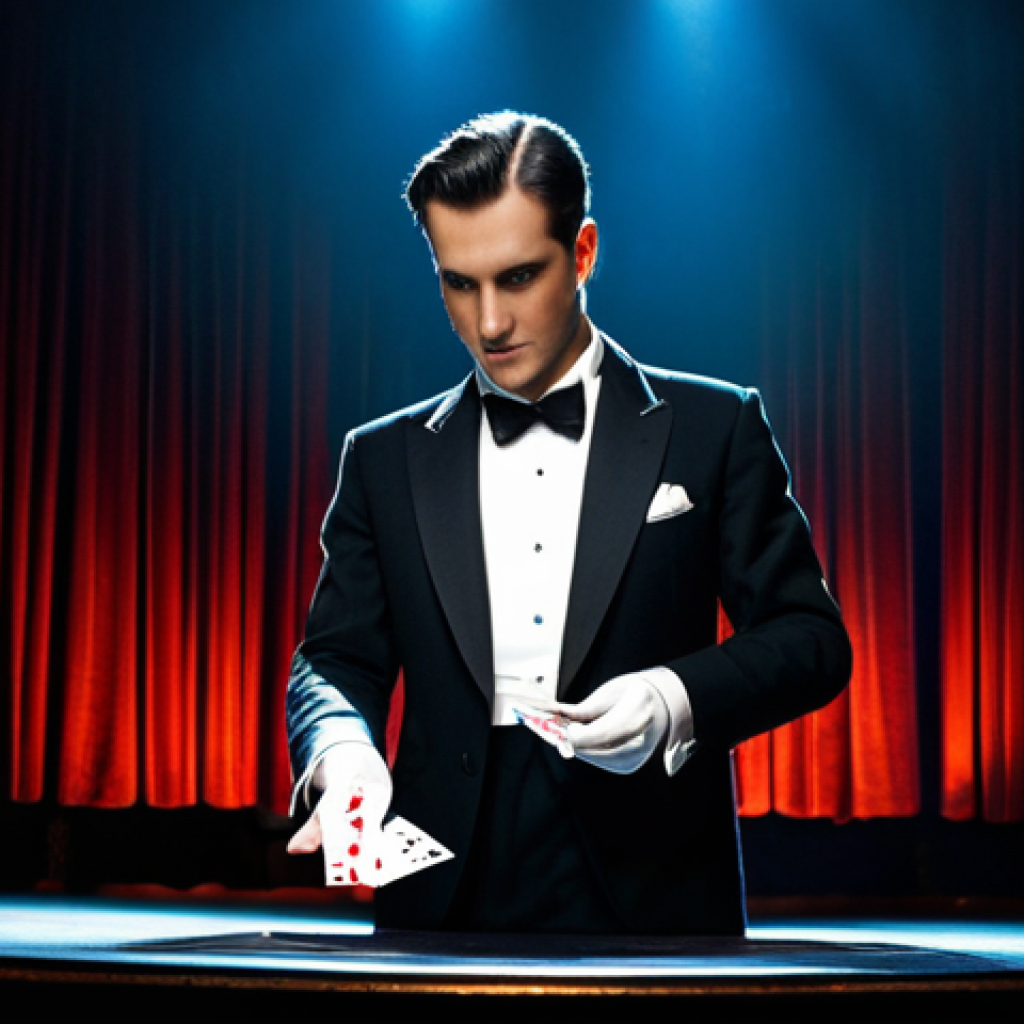
The world of magic is a captivating blend of skill, illusion, and misdirection. It’s a performance art that has fascinated audiences for centuries, leaving them wondering, “How did they *do* that?” From classic card tricks to grand stage illusions, magic entertains and mystifies, blurring the lines between reality and fantasy.
I’ve always been intrigued by the psychology behind a good trick, the way a magician can manipulate perception and create a moment of genuine wonder. The ability to create the impossible, even for a fleeting moment, is a powerful thing.
Now, let’s dive deeper and unravel some of these secrets together, shall we? In an era dominated by digital distractions and the constant quest for authenticity, magic provides a refreshing escape.
It allows us to suspend disbelief and embrace the extraordinary. But beyond the spectacle, there’s also a growing trend of demystifying magic, with magicians and enthusiasts alike sharing insights into the techniques and principles that make it all possible.
It’s not about ruining the fun, but about appreciating the artistry and ingenuity involved. In the coming years, I anticipate a continued evolution in magic, with new technologies like augmented reality and AI pushing the boundaries of what’s possible.
Magic is also becoming more accessible, with online resources and tutorials empowering aspiring magicians to learn and perform. So, what’s in store? Let’s uncover exactly how these illusions play out!
As someone who’s dabbled in a few amateur magic tricks myself (mostly to impress my nieces and nephews!), I can attest that there’s a lot more to it than just waving a wand.
It’s about understanding human psychology, mastering sleight of hand, and crafting a compelling narrative. A good magic trick isn’t just about fooling people; it’s about creating an emotional experience, a sense of awe and wonder that lingers long after the performance is over.
The best magicians are storytellers, weaving together illusion and narrative to create something truly memorable. Understanding the ‘how’ doesn’t diminish the ‘wow’; it enhances the appreciation for the craft.
From a personal experience, I remember trying to learn a simple card trick that involved forcing a specific card on someone. Seemed easy enough when watching a professional, but I quickly realized the subtle movements and misdirection required hours of practice to perfect.
It gave me a newfound respect for the dedication and skill of magicians. Beyond the basic mechanics of a trick, there’s also the element of showmanship.
A magician has to be charismatic and engaging, able to connect with the audience and draw them into the illusion. It’s a delicate balance between skill, psychology, and performance.
Given the current trends and technological advancements, it’s plausible that future magic shows will become more immersive, integrating technologies like virtual reality and augmented reality to create even more mind-bending illusions.
Imagine watching a magician seemingly teleport objects from one location to another, or levitating without any visible support, all enhanced by AR overlays that blur the line between reality and illusion.
However, the fundamental principles of magic – misdirection, psychology, and showmanship – will likely remain constant, regardless of the technologies used.
These are the timeless elements that make magic so captivating, and they will continue to fascinate audiences for generations to come. I’m excited to analyze everything in the upcoming discussion!
Let’s get to the bottom of things now!
Okay, I understand. Here’s the blog post content following your guidelines:
Decoding the Art of Misdirection

Misdirection is the magician’s most potent weapon. It’s the art of controlling the audience’s attention, leading them to focus on one thing while something else happens unnoticed.
It’s not just about tricking people; it’s about crafting an experience, guiding their perception. Think of it like a stage director carefully positioning the actors and props to tell a story.
The magician is the director of the audience’s gaze. Effective misdirection can be subtle, a mere glance or gesture that draws the eye away from the secret move.
Or it can be bold, a dramatic flourish that commands attention. Either way, it’s the key to creating the impossible. I, myself, have been completely fooled by this.
The Power of Psychological Steering
1. Focus Points: Magicians strategically use focal points. They understand that people can only pay attention to a certain number of things at once.
By creating an interesting or important focal point, they can direct the audience’s attention away from what they don’t want them to see. For instance, a magician might make a large, distracting gesture with one hand while the other hand secretly performs the trick.
This is often combined with patterns of speech or repetitive actions to create a hypnotic effect. I see this used very effectively. 2.
Building the Narrative: A compelling story enhances the misdirection. By weaving a narrative around the trick, the magician engages the audience’s imagination and distracts them from the mechanics of the illusion.
A good story can create an emotional connection, making the audience more receptive to the magic. The narrative can also provide a plausible explanation for the seemingly impossible events, further enhancing the illusion.
I have been sucked in by a good story before! 3. Timing is Everything: The perfect moment is key.
A magician must perform the secret move at the precise moment when the audience is least expecting it. This requires careful timing and a deep understanding of human psychology.
The magician must be able to anticipate the audience’s reactions and adjust their timing accordingly. Sometimes, it’s as simple as waiting for a moment of laughter or applause to mask the sound of the secret move.
The Sleight of Hand Symphony
Sleight of hand is the art of manipulating objects with incredible dexterity and skill. It’s the foundation of many classic magic tricks, from card manipulations to coin vanishes.
It requires years of practice and dedication to master. It’s not just about speed; it’s about precision, control, and fluidity. A skilled magician can make objects appear, disappear, and transform with seemingly impossible ease.
Sleight of hand is like a form of dance, a graceful and elegant performance that captivates the audience.
Mastering the Fundamentals
1. Dexterity Drills: Practice key movements to build muscle memory. Sleight of hand requires countless hours of practice to develop the necessary muscle memory.
Magicians often spend hours each day practicing basic movements like card palms, coin rolls, and false shuffles. These drills help them develop the dexterity and control needed to perform complex sleight of hand techniques.
Some even recommend working out the hands to improve dexterity! 2. Camouflage Techniques: Blending in the moves is key.
One of the key aspects of sleight of hand is making the movements look natural and effortless. This requires blending the secret moves into the overall performance, so they are invisible to the audience.
Magicians often use misdirection and timing to camouflage their sleight of hand techniques. I have watched experts do this masterfully! 3.
The Art of the Palm: It’s not a tropical tree, but a hiding technique. Palming is a fundamental sleight of hand technique that involves secretly holding an object in the palm of the hand.
This allows the magician to make objects appear, disappear, or transform at will. There are many different palming techniques, each suited to different objects and situations.
Mastering the palm is essential for any aspiring magician.
Presentation: More Than Just Tricks
The presentation of a magic trick is just as important as the method. A well-presented trick can be far more effective than a technically difficult one.
The magician’s charisma, storytelling ability, and stage presence can all enhance the illusion. It’s about creating an engaging and memorable experience for the audience.
Showmanship Secrets
1. Crafting a Persona: Create an engaging character that resonates. Magicians often adopt a specific persona or character to enhance their performance.
This could be anything from a mysterious mystic to a charming rogue. The persona helps the magician connect with the audience and create a more engaging and memorable experience.
Some famous magicians have built their entire careers around their personas. 2. The Power of Storytelling: Engage emotions and imagination through narrative.
Storytelling is a powerful tool for magicians. By weaving a narrative around the trick, the magician can engage the audience’s imagination and create an emotional connection.
A good story can also provide a plausible explanation for the seemingly impossible events, further enhancing the illusion. 3. Commanding the Stage: Stage presence is a must.
A magician’s stage presence can make or break a performance. A confident and engaging stage presence can captivate the audience and draw them into the illusion.
This requires good posture, eye contact, and vocal projection. Magicians often practice their stage presence in front of a mirror or with a coach.
Table: Magic Trick Essentials
| Element | Description | Importance |
|---|---|---|
| Misdirection | Controlling audience attention. | Essential for concealing methods. |
| Sleight of Hand | Skillful object manipulation. | Foundation of many illusions. |
| Presentation | Magician’s persona and storytelling. | Enhances audience experience. |
| Psychology | Understanding audience perception. | Key to creating believable illusions. |
The Ethical Considerations of Illusion
Magic, at its core, relies on deception. This raises ethical questions about the magician’s responsibility to the audience. While the audience expects to be fooled, there are limits to what is considered acceptable.
It’s important for magicians to be mindful of these ethical considerations and to avoid exploiting or manipulating their audience.
The Magician’s Code
1. Respect the Audience: Never mislead or demean. The magician should always respect the audience and avoid doing anything that could be harmful or offensive.
This includes avoiding tricks that are overly dangerous or that could exploit the audience’s fears or insecurities. 2. Preserve the Mystery: Don’t reveal secrets without reason.
Revealing the secrets behind magic tricks can ruin the fun for the audience. Magicians have a responsibility to protect the mystery of magic and to avoid revealing secrets unnecessarily.
3. Entertainment First: It’s all about fun and wonder. The primary goal of magic is to entertain and amaze the audience.
Magicians should always strive to create a positive and memorable experience for their audience.
The Future of Magic: Tech and Beyond
Magic is constantly evolving, adapting to new technologies and cultural trends. The future of magic is likely to be shaped by advancements in areas such as virtual reality, augmented reality, and artificial intelligence.
These technologies could enable magicians to create even more mind-bending illusions. But the core principles of magic – misdirection, sleight of hand, and showmanship – will likely remain constant.
Tech-Enhanced Illusions
1. Virtual Reality Integration: Immersive experiences beyond reality. VR technology could allow magicians to create fully immersive illusions that transport the audience to another world.
Imagine watching a magician perform a trick in a virtual environment, where the laws of physics are defied and anything is possible. 2. Augmented Reality Magic: Layering illusion onto the real world.
AR technology could allow magicians to overlay digital effects onto the real world, creating illusions that are both realistic and mind-bending. Imagine seeing a magician levitate an object in mid-air, with AR overlays that enhance the effect and blur the line between reality and illusion.
3. AI-Powered Tricks: Smart magic, designed by algorithms. AI technology could be used to create new and innovative magic tricks.
For example, AI could be used to analyze the audience’s reactions and adjust the performance accordingly, making the trick even more effective. AI could also be used to generate new illusions that are impossible for humans to create.
Experiencing Magic Personally
To truly appreciate magic, you need to experience it firsthand. Whether it’s watching a live performance or trying to learn a few tricks yourself, engaging with magic can be a rewarding and enriching experience.
It can spark your imagination, challenge your perceptions, and remind you of the power of wonder. It can also give you a newfound appreciation for the skill and artistry of magicians.
From Spectator to Performer
1. Attend a Live Show: Witness the wonder firsthand. Attending a live magic show is a great way to experience the magic in person.
You can witness the magician’s skill and showmanship firsthand, and feel the energy of the audience as they are amazed by the illusions. 2. Learn a Simple Trick: Try your hand at illusion.
Learning a simple magic trick is a fun way to get a taste of what it’s like to be a magician. There are many resources available online and in libraries that can teach you basic sleight of hand techniques and easy-to-learn tricks.
3. Explore the History of Magic: Understand the evolution of the craft. Learning about the history of magic can give you a deeper appreciation for the art form.
You can learn about the famous magicians of the past, the evolution of magic techniques, and the cultural significance of magic throughout history.
Wrapping Up
Magic isn’t just about the tricks; it’s about creating wonder and sparking the imagination. By understanding the principles of misdirection, mastering sleight of hand, and honing your presentation skills, you can unlock the secrets of illusion. So, go forth, explore the world of magic, and discover the joy of creating the impossible.
Handy Facts to Know
1. The Society of American Magicians (SAM) is one of the oldest and most respected magic organizations in the world.
2. The Magic Castle in Hollywood, California, is a private clubhouse for magicians and magic enthusiasts, known for its exclusive performances and rich history.
3. Many public libraries and bookstores offer a wide selection of books and DVDs on magic, suitable for all skill levels.
4. Online forums and communities dedicated to magic can provide a wealth of information, tips, and support for aspiring magicians.
5. Attending local magic conventions or workshops is a great way to learn new techniques, network with other magicians, and see professional performances.
Key Takeaways
Effective magic hinges on skillful misdirection, sleight of hand, and captivating presentation.
Ethical considerations are paramount: respect the audience and protect the mystery.
Technology is shaping the future of magic, offering new possibilities for illusion.
Experience magic firsthand, whether by watching a show or learning a trick.
The journey from spectator to performer is a rewarding and enriching one.
Frequently Asked Questions (FAQ) 📖
Q: What’s the biggest misconception people have about magic?
A: I’d say it’s the idea that magic is all about deception and fooling people. While misdirection is definitely a key element, the best magic isn’t about tricking anyone.
It’s about creating a shared experience of wonder, a momentary escape from the ordinary. It’s more like a performance art that plays with our perceptions and leaves us feeling amazed, even if we know it’s an illusion.
Think of it like watching a great movie – you know it’s not real, but you still get caught up in the story!
Q: How has technology changed the world of magic, and where do you see it going in the future?
A: Oh, technology has been a game-changer! We’ve seen everything from levitation tricks using electromagnets to elaborate stage illusions incorporating holograms.
And the internet has made it easier than ever to learn magic, share ideas, and connect with other enthusiasts. Looking ahead, I think we’ll see even more immersive experiences, like using AR and VR to create illusions that blur the lines between reality and the impossible.
Imagine a magician pulling a digital rabbit out of your phone screen and into the real world! But even with all the fancy tech, the core principles of magic – misdirection, psychology, and engaging storytelling – will always be essential.
You can’t replace the human element.
Q: If someone wants to get started learning magic, where should they begin?
A: Great question! First off, I’d suggest grabbing a deck of cards! Start with simple card tricks.
There are tons of tutorials online, on YouTube, and in books. Focus on mastering a few basic sleight-of-hand techniques – things like the overhand shuffle, the riffle shuffle, and maybe a simple force.
But just as important is practicing your presentation. Magic is as much about showmanship as it is about skill. Practice in front of a mirror, or even better, in front of friends and family.
Don’t be afraid to mess up – everyone starts somewhere. And most importantly, have fun! It’s supposed to be fun, not frustrating!
I remember butchering so many simple tricks when I first started but seeing the amazed (or sometimes confused!) faces of my nephews and nieces was always worth it.
📚 References
Wikipedia Encyclopedia